If you want to play music through your mic on Windows for Discord, YouTube, or live streams, you do not need expensive hardware. For most people, Voicemeeter is the most flexible option, Soundpad is the easiest for Discord-style sound playback, and Clownfish is fine if you just want something simple and free. I also fixed a few stale bits from the old version, especially pricing and which tools still make sense right now.
One rainy night in Islamabad, I was trying to help someone set up music through their mic for a Discord call. Looked easy. It wasn’t. Windows audio routing was doing its usual nonsense, one app grabbed the wrong input, and half an hour disappeared before the music finally came through.
That’s usually the real problem here. Not “how do I edit audio?” but how do I send music into my mic input without buying extra gear. If you’re just trying to troll friends a little, add background music to a stream, or route audio into Discord, there are a few software options that actually work. Some are dead simple. Some feel like airplane controls.
Top software for playing music through mic
The old version of this article mixed audio editors with audio routers. That’s not quite the same thing. So I cleaned it up. Below are the tools that still matter, what they’re actually like to use, and who should skip them.
| Tool | Best use | Platform | Pricing | My take |
|---|---|---|---|---|
| Clownfish | Basic voice effects and simple music playback | Windows | Free | Easy, limited |
| Audacity | Recording and editing audio files | Windows, Mac, Linux | Free | Great editor, not ideal live router |
| Voicemeeter | Live audio routing and mixing | Windows | Donationware | Best overall if you can tolerate setup |
| Adobe Audition | Pro audio editing and cleanup | Windows, Mac | Subscription, check current Adobe pricing | Powerful, overkill for this job |
| Soundpad | Playing sounds or music through mic in chat apps | Windows | Paid, check current Steam price | Very easy for Discord users |
| WavePad Audio Editor | Basic editing and recording | Windows, Mac, mobile | Free tier and paid plans | More editor than mixer |
| REAPER | Recording, production, advanced audio work | Windows, Mac, Linux | Discounted license starts around $60, verify current pricing | Excellent value, not beginner routing-first |
| FL Studio | Music production | Windows, Mac | Paid, tiered pricing | For making music, not routing mic audio |
1. Clownfish
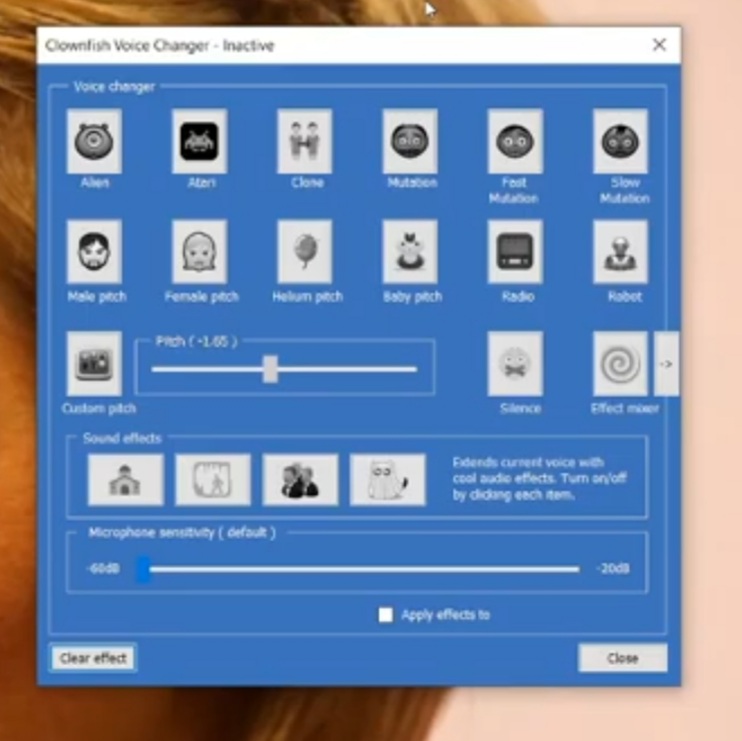
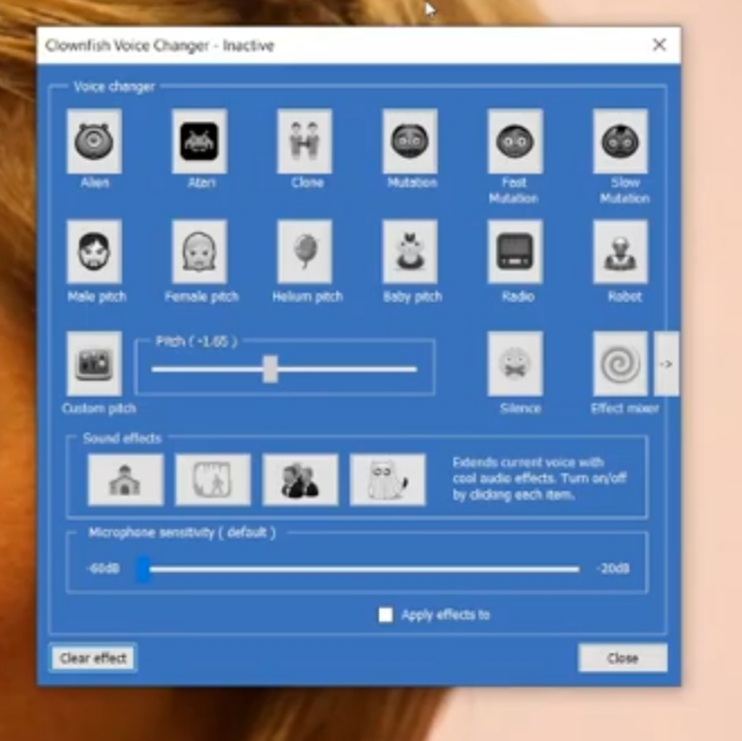
Clownfish is still one of the easiest tools if you want a quick setup and don’t care about advanced mixing. I tried it again for this kind of basic use, and it still feels lightweight and kinda old-school. But that’s the point. You install it, click around for a minute, and you’re already playing with voice effects or pushing audio through the mic.
| Key fact | Details |
|---|---|
| Platform | Windows |
| Main use | Voice changing and simple music playback |
| Difficulty | Easy |
| Pricing | Free |
| Website | https://clownfish-translator.com/voicechanger/ |
Best for: Beginners who want a free and simple way to play music or effects through the mic.
Skip if: You need fine control over multiple audio inputs and outputs.
2. Audacity
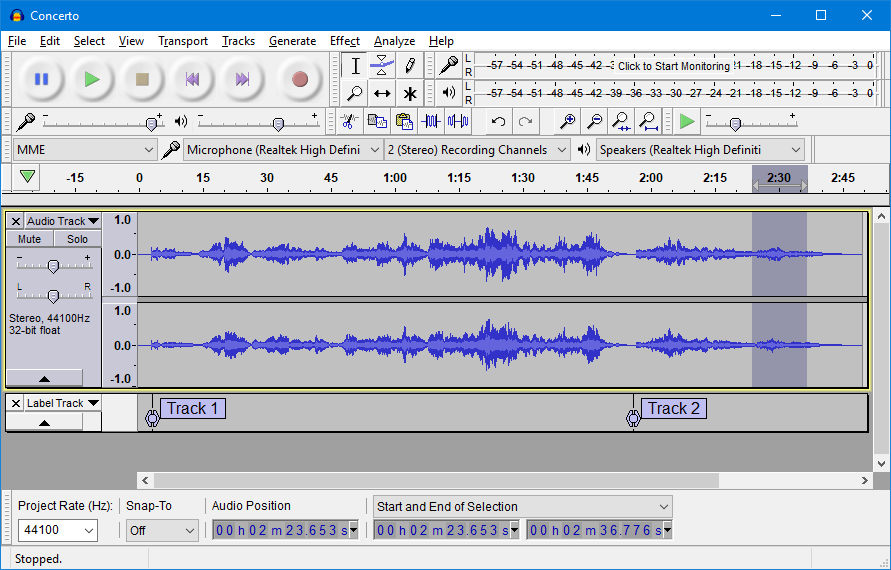
Audacity is still great. I use it when I need to trim audio, clean up voice recordings, or export something fast without opening heavier software. But I wouldn’t call it the best tool for playing music through your mic live. That’s where the old article blurred the lines a bit. Audacity is an editor first. A live routing tool, not really.
| Key fact | Details |
|---|---|
| Platform | Windows, Mac, Linux |
| Main use | Recording and editing audio |
| Difficulty | Easy to moderate |
| Pricing | Free |
| Website | https://www.audacityteam.org/ |
Best for: Editing the music or clips before you use them elsewhere.
Skip if: You want live music-through-mic setup with minimal effort.
3. Voicemeeter
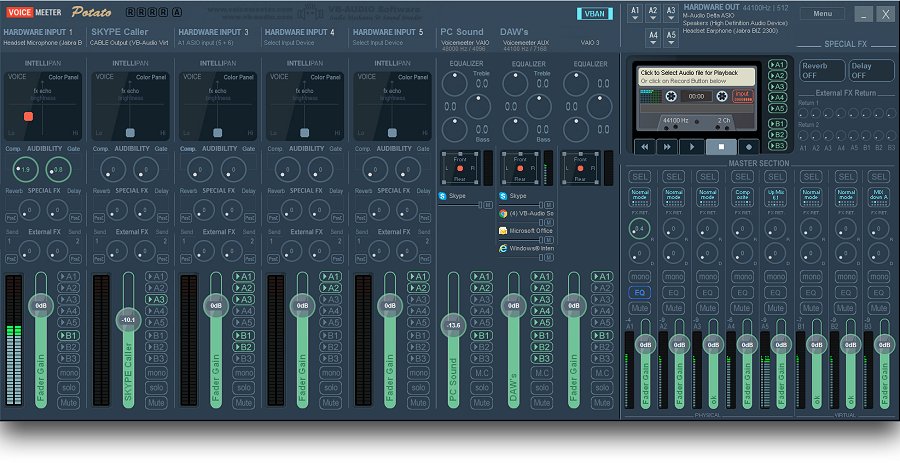
Voicemeeter is the one I’d recommend first if your actual goal is routing audio properly. It can send your mic, desktop audio, music player, and app audio to different places. The catch is the interface. The first time you open it, it feels like you’re about to misconfigure a radio station. Still, once it’s set, it’s the most useful option here for live mixing.
| Key fact | Details |
|---|---|
| Platform | Windows |
| Main use | Virtual audio routing and live mixing |
| Difficulty | Moderate to hard for beginners |
| Pricing | Donationware for personal use |
| Website | https://vb-audio.com/Voicemeeter/ |
Best for: Streamers, Discord users, and anyone who wants proper control over what other people hear.
Skip if: You hate setup screens and just want to hit one play button.
4. Adobe Audition
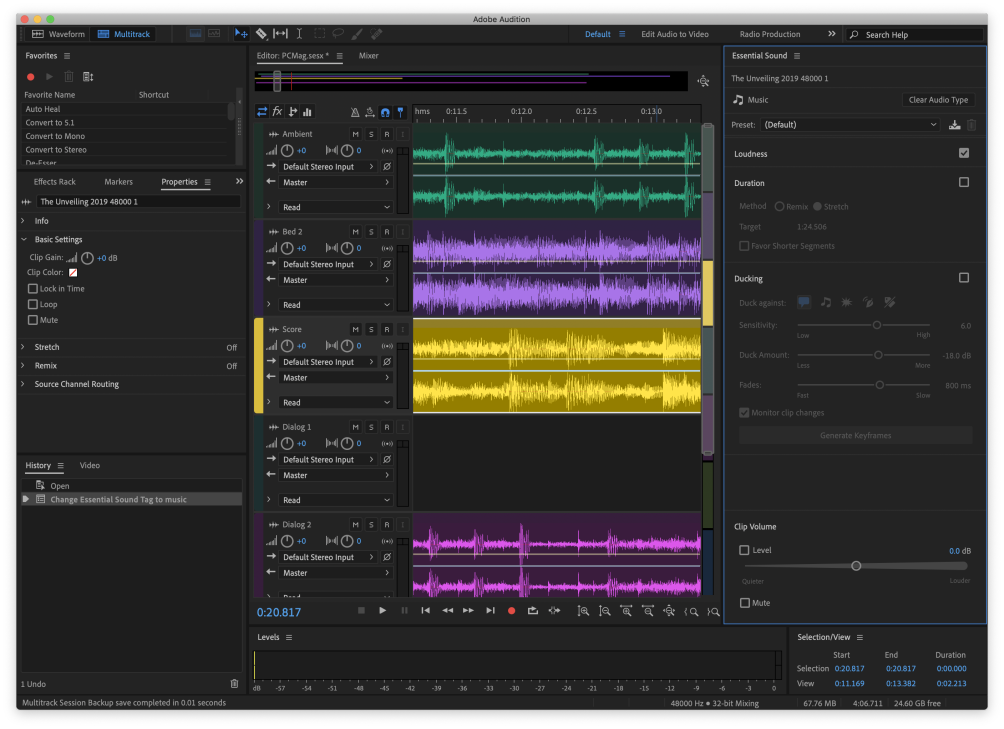
Adobe Audition is excellent for audio restoration, podcast editing, and multitrack work. But for this specific use case, it’s overkill. Also, the old article listed the price as $600 per month, which is just wrong. Adobe pricing changes by region and plan, so check the current page before you commit. Usually it’s a subscription, not some absurd monthly number like that.
| Key fact | Details |
|---|---|
| Platform | Windows, Mac |
| Main use | Professional audio editing, repair, podcast work |
| Difficulty | Moderate |
| Pricing | Subscription, verify current Adobe pricing |
| Website | https://www.adobe.com/products/audition.html |
Best for: Editors and creators already inside the Adobe workflow.
Skip if: You only want to play music through your mic in calls or streams.
5. Soundpad
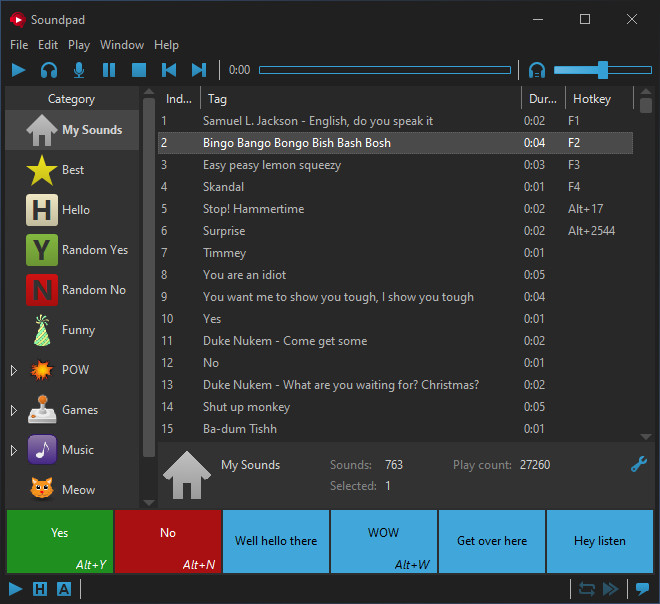
Soundpad is still one of the most practical tools for this job. If your goal is simple, play music or sound clips through your mic in Discord, game chat, or voice apps, this is way easier than building a whole virtual routing setup. It’s distributed through Steam, and no, it isn’t really free in the usual sense, so check its current Steam price before downloading. I used to recommend only free tools here. I don’t anymore. Sometimes paying a little saves you an hour of messing with Windows audio.
| Key fact | Details |
|---|---|
| Platform | Windows |
| Main use | Soundboard and music playback through mic |
| Difficulty | Easy |
| Pricing | Paid, verify current Steam price |
| Website | https://leppsoft.com/soundpad/en/ |
Best for: Discord users who want the easiest setup.
Skip if: You only want a totally free tool.
6. WavePad Audio Editor
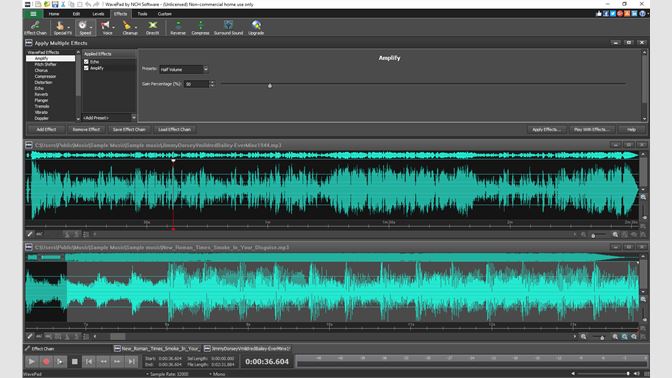
WavePad is more of an editor than a mixer, same story as Audacity. The old version said it was Windows-only, which is outdated. It has broader availability now, depending on version. For preparing clips, trimming music, or recording voice, it can do the job. For routing music through your mic live, there are better tools on this list.
| Key fact | Details |
|---|---|
| Platform | Windows, Mac, mobile variants |
| Main use | Audio editing and recording |
| Difficulty | Easy to moderate |
| Pricing | Free tier and paid plans |
| Website | https://www.nch.com.au/wavepad/index.html |
Best for: Editing clips before playback.
Skip if: You need live virtual audio routing.
7. REAPER
REAPER is one of those tools audio people quietly love because it gives you a lot without charging silly money. It’s powerful, customizable, and weirdly lightweight for what it does. Still, if you only want to blast a meme song into Discord once in a while, this is too much software for the problem.
| Key fact | Details |
|---|---|
| Platform | Windows, Mac, Linux |
| Main use | Recording, editing, production |
| Difficulty | Moderate |
| Pricing | Discounted license starts around $60, verify current pricing |
| Website | https://www.reaper.fm/ |
Best for: Creators who also want a real DAW for editing and production.
Skip if: You want the fastest possible setup.
8. FL Studio
FL Studio is famous for music production, and fair enough, it’s very good at that. But for this article’s actual problem, it’s not a top choice. You don’t buy FL Studio because you want to route Spotify into your mic. You buy it because you want to make beats at 2 a.m. and accidentally spend three hours fixing one hi-hat.
| Key fact | Details |
|---|---|
| Platform | Windows, Mac |
| Main use | Music production |
| Difficulty | Moderate |
| Pricing | Paid, tiered plans, verify current pricing |
| Website | https://www.image-line.com/ |
Best for: Producing music, not just routing it.
Skip if: You only want music-through-mic on voice chat.
How to mix music on Windows for YouTube and streaming
If you want the easiest free route, Clownfish still works for simple playback. Just know that streamers who want separate control over mic, game audio, and music usually outgrow it fast.
- Download and install Clownfish from its official website.
- Restart your PC if the installer asks. Audio tools on Windows love a reboot.
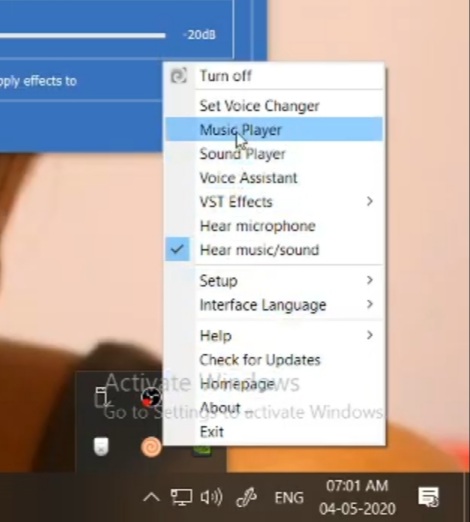
- Open Clownfish and find its icon in the taskbar notification area.
- Right-click or left-click the icon, depending on your setup, then open Music Player.
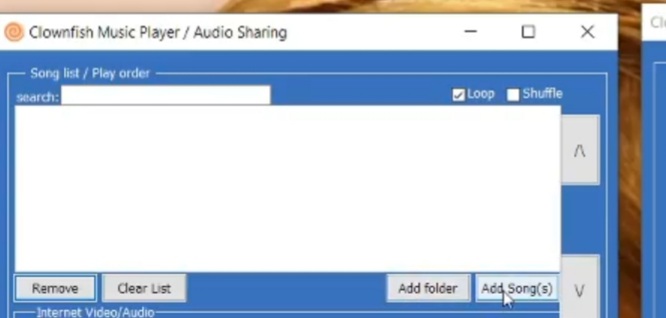
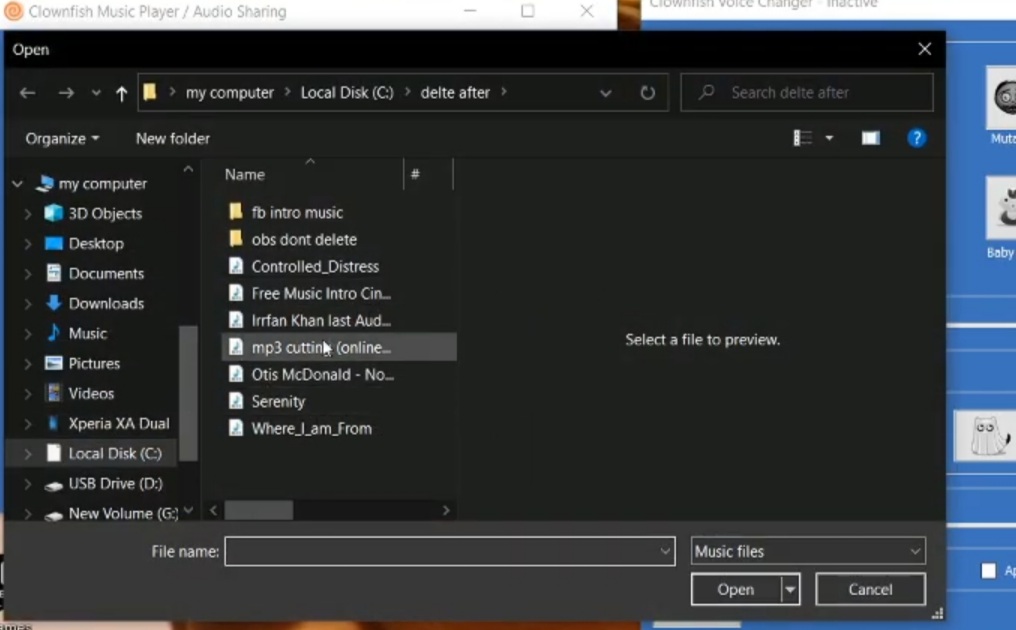
- Add the song or audio file you want from your PC storage.
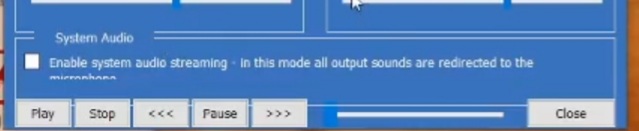
- Press Play and test your mic input inside your streaming app.
- In OBS, Discord, or your recording software, confirm that the same mic device is selected.
How to do it on Discord
For Discord, I’d pick Soundpad if you want the least friction. Clownfish can work, but Soundpad feels more natural for voice chat and quick sound playback.
- Install Steam if you don’t already have it.
- Buy or download Soundpad from Steam, depending on the current listing.
- Restart your PC after installation.
- Open Soundpad from your Steam library.
- Go to File, then add your sound files or music clips.
- Open Discord and confirm your microphone device is the one Soundpad is using.
- Play a sound and test it in a private call before using it in a server.
Common mistake: People test in Discord with aggressive noise suppression turned on, then wonder why the music sounds chopped up. If your audio keeps cutting, check Discord voice settings and lower or disable the filtering features for testing.
An alternative to Soundpad
If you don’t want to pay for Soundpad, use Voicemeeter. It takes longer to set up, but it’s more flexible and still one of the better free options for Windows.
- Download and install Voicemeeter from VB-Audio.
- Restart your PC.
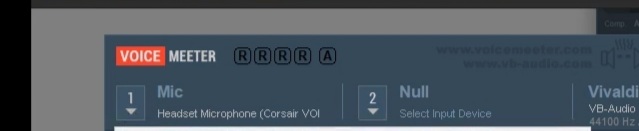
- Open Voicemeeter and set your physical microphone as a hardware input.
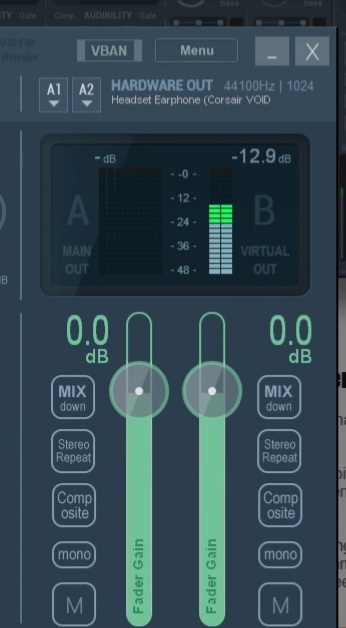
- Set your headphones or speakers as hardware output A1.
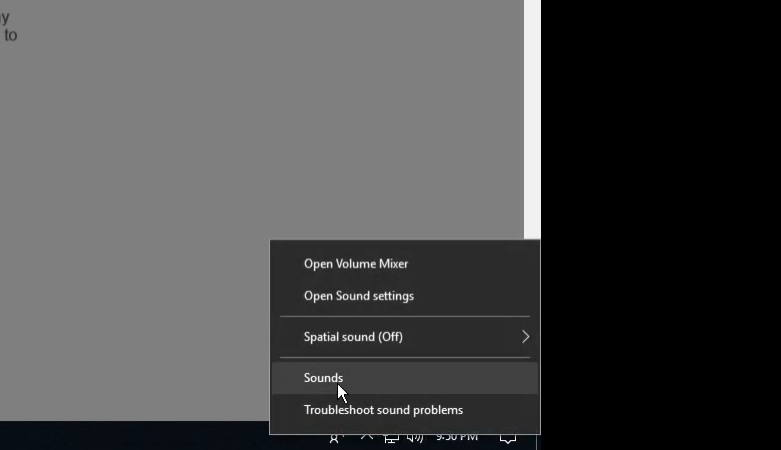
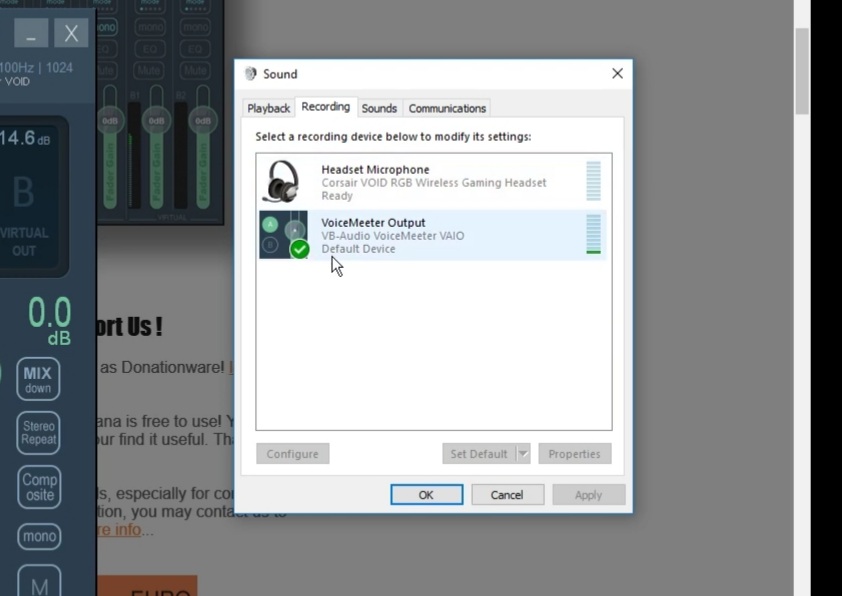
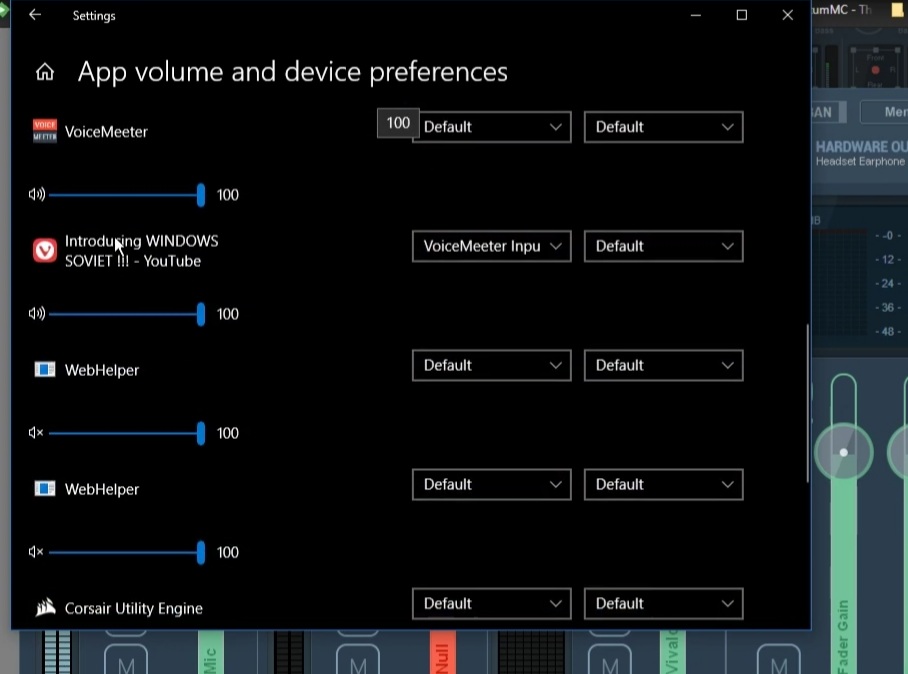
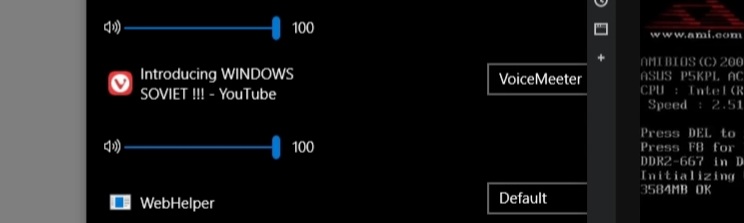
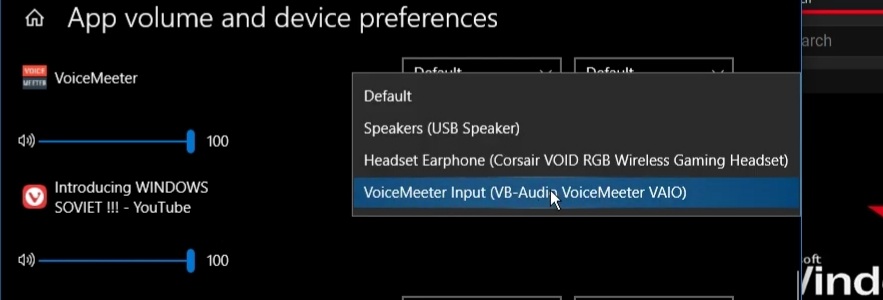
- In Windows sound settings, choose Voicemeeter Input or the matching virtual input as the playback device for the music source you want to route.
- In Discord, set your microphone/input device to Voicemeeter Output or the relevant virtual output.
- Play music, speak into the mic, and adjust levels separately inside Voicemeeter.
How to play music through mic without using any software
1. Playing music from an external source
This is the lazy fix. And honestly, sometimes lazy is fine. Put your phone or another device near the mic and play the track. It sounds rough, room noise gets in, and your friends will know exactly what you’re doing. But yes, it works.
- Place a phone, tablet, or speaker close to your microphone.
- Play music from YouTube, Spotify, or a local file.
- Lower the volume a bit so it doesn’t distort badly.
2. Set Stereo Mix as the default mic
This old Windows trick can still work on some systems, but not all sound drivers expose Stereo Mix anymore. Also, it usually sends system audio instead of mixing your voice nicely with music. So it’s a workaround, not a proper solution.
- Open Control Panel.
- Go to Hardware and Sound.
- Open Manage Audio Devices.
- Switch to the Recording tab.
- If Stereo Mix is available, enable it.
- Set Stereo Mix as the default recording device.
- Test in your target app.
Hidden catch: On many laptops, Stereo Mix is missing entirely. That’s not you messing up. It’s the audio driver.
Recommendations and tips
If you’re streaming on YouTube, Twitch, Kick, or anywhere else, copyright is still the trap people walk into half-asleep. Playing commercial music through your mic does not magically make it safe. Platforms can still mute, flag, demonetize, or takedown content.
The safest move is simple. Use music you have rights to use. That can mean royalty-free libraries, platform-approved creator music, or tracks you licensed properly. Random playlists called “no copyright” on YouTube are not always trustworthy, and that mistake gets expensive later.
- Test your setup in a private call before going live.
- Lower music volume more than you think you need.
- Watch for Discord noise suppression cutting your audio.
- Check whether your streaming app is grabbing the wrong input device.
- Use licensed or royalty-free music if your channel matters to you.
What I’d actually do
If this was my money and my setup, I’d use Voicemeeter for full control or Soundpad if I only cared about Discord and wanted the least headache. Clownfish is okay for beginners, but most people outgrow it. Audacity, REAPER, WavePad, and FL Studio are useful tools, just not the first answer to this exact problem.
So that’s the honest version. If you want free and flexible, use Voicemeeter. If you want easy, use Soundpad. If you want quick and basic, Clownfish still has a place. Just don’t spend hours forcing an audio editor to do a router’s job. I’ve done that already, yaar. Not worth it.