How to Fix 0x0 0x0 Error in Windows

If you’re seeing error code 0x0 0x0 on a Windows PC, the code itself usually isn’t the real problem. It’s a vague sign that something underneath broke, often a corrupted system file, bad driver, failed update, malware issue, or storage problem. In this guide, I’ll show you the fixes I’d try first, what to skip, and how to avoid wasting two hours on random forum advice.
One rainy evening, I was helping someone fix a Windows laptop that kept throwing weird popups and freezing right when we thought it was stable. Then came the classic nonsense code, 0x0 0x0. No clear message. No useful clue. Just Windows doing that thing where it breaks and acts mysterious about it.
So let me save you some time. 0x0 0x0 is not a precise Windows error with one universal cause. It’s usually a generic symptom tied to damaged system files, broken drivers, bad shutdowns, failed installs, or malware. That means the fix depends on what triggered it, but there are still a few sensible things to try in order.
What Is Error Code 0x0 0x0 in Windows?
Error code 0x0 0x0 is commonly described online as a Windows system error, but honestly, a lot of articles oversimplify it. In real use, it usually shows up when something goes wrong with system configuration, drivers, registry entries, updates, or core Windows files.
Sometimes it appears after a failed install. Sometimes after a dirty shutdown. Sometimes after driver conflicts. And sometimes, yaar, it shows up with so little context that you have to work backward from what changed recently.
If the error appears with another message, app name, or crash event, that extra detail matters more than the code itself. Don’t troubleshoot the number alone. Check what happened right before it started.
Common Causes of 0x0 0x0 Error
These are the causes I see most often behind this error:
- Failed software installation or incomplete uninstall
- Corrupted Windows system files
- Broken or outdated hardware drivers
- Malware infection or security tool interference
- Registry changes caused by cleanup tools or bad apps
- Sudden shutdown or power loss during updates
- Low storage on the system drive
A quick warning. Registry cleaner tools are often part of the problem, not the solution. I used to recommend trying them years ago. I don’t anymore. Too many of them “fix” Windows by making it worse.
How to Fix Error 0x0 0x0
Before you reset anything, do one thing. Think about what changed. New driver, fresh app install, Windows update, forced shutdown, antivirus switch, sketchy optimizer tool, whatever. That little clue can save you a full reinstall.
I’d try the fixes below in this order. Start with the least destructive option first.
1. Repair Windows System Files First
This is where I’d start on any modern Windows PC. Not with a full reset. Not with random driver packs from the internet. Run the built-in repair commands first. They’re boring, but they solve a lot of this mess.
On current Windows 10 and Windows 11 systems, open Command Prompt as Administrator and run these one by one:
- sfc /scannow
- DISM /Online /Cleanup-Image /RestoreHealth
- Restart your PC
If Windows can’t boot properly, use Windows Recovery Environment. You can get there by holding Shift while clicking Restart, then going to Troubleshoot > Advanced options. From there, try Startup Repair first.
If you’re on Windows 10, you may also see Reset this PC. That’s still useful, but I’d treat it as a later step, not the first move. “Keep my files” is safer, though it still removes installed apps.
Best built-in repair options by situation
| Situation | What I’d try | Risk level |
|---|---|---|
| Windows boots normally | SFC and DISM | Low |
| Windows boots with errors or crashes | Startup Repair | Low |
| Problem started after update or driver | System Restore | Low to medium |
| Nothing else works | Reset this PC | Medium to high |
Best for: corrupted system files, failed updates, weird startup behavior.
Skip if: the error clearly started from one specific app and the rest of Windows is fine. In that case, remove the app first.
2. Check Windows Security and Run a Full Scan
The old advice was “update your antivirus.” Fair enough, but in 2025 most home users are already on Microsoft Defender, now called Windows Security in the interface. And for a lot of people, that’s enough, as long as it’s updated and actually scanning.
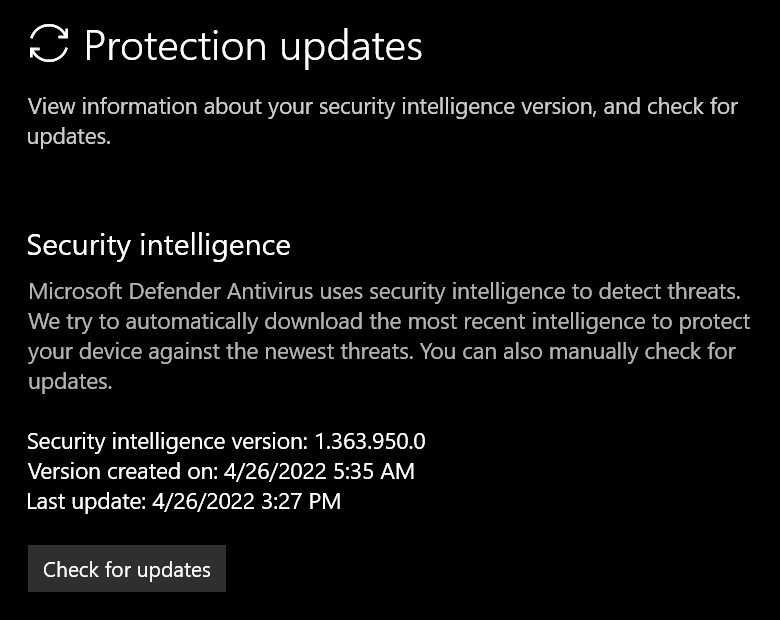
Open Windows Security > Virus & threat protection. Check for protection updates, then run a Full scan. If the system is behaving badly, I’d also run the Microsoft Defender Offline scan. That one reboots the PC and checks before Windows fully loads, which helps catch nastier stuff.
One more thing. Third-party antivirus suites can also cause conflicts. I’ve seen this with bloated security packages that hook too deeply into the system. If the error started right after installing one, uninstall it and test again.
Best for: suspicious behavior, random popups, browser hijacks, unexplained slowdowns.
Skip if: you already know the issue began after a driver install or failed Windows update.
3. Free Up Disk Space and Clean Temporary Files
This one sounds too simple, but low storage really does break Windows in stupid ways. Updates fail. Temp files pile up. Apps can’t write properly. And then you get vague errors like this.
Search for Disk Cleanup, choose your system drive, then click Clean up system files. You can also go to Settings > System > Storage and use Storage Sense on newer Windows builds.
I’d usually remove:
- Temporary files
- Windows Update cleanup
- Delivery Optimization files
- Recycle Bin contents, if you’ve checked them
I would not blindly delete Downloads unless you’ve reviewed it. That folder is where people accidentally wipe out invoices, photos, ZIPs, and random stuff they suddenly need six minutes later.
Best for: low storage, sluggish updates, temp file bloat, general cleanup.
Skip if: you have plenty of free space and the problem clearly started after hardware or driver changes.
4. Update or Reinstall Problem Drivers
Driver issues are a very common cause here, especially after Windows updates. Graphics, Wi-Fi, chipset, audio, and storage drivers are the usual suspects. Don’t update everything blindly from shady driver tools. That’s how people turn one problem into five.
Instead, open Device Manager and look for warning icons. If one device is misbehaving, update that specific driver first. Better yet, download drivers from the laptop maker or motherboard maker directly. Dell, HP, Lenovo, ASUS, Acer, MSI, they all have support pages for this.
If the issue started right after a driver update, roll it back:
- Open Device Manager
- Right-click the affected device
- Select Properties
- Open the Driver tab
- Choose Roll Back Driver, if available
If rollback isn’t available, uninstall the device driver, restart, and let Windows reinstall it. For GPU drivers, I’m extra careful. A bad graphics driver can make the whole machine feel cursed.
Driver update options compared
| Method | What it’s like | Use it when | Avoid when |
|---|---|---|---|
| Windows Update | Easy, built in, sometimes behind | You want the safest basic option | You need the newest GPU or chipset driver |
| Device Manager | Fine for simple fixes | One device shows an error | You expect it to find rare vendor drivers |
| Manufacturer website | Usually the best source | You know your exact model | You’re not sure which driver matches your hardware |
| Third-party driver updater | Convenient, risky | Honestly, I usually wouldn’t | Almost always |
Best for: hardware conflicts, post-update issues, display or audio glitches, device failures.
Skip if: the PC has no hardware symptoms and the issue began after a software install.
A Common Mistake People Make
The biggest mistake is jumping straight to a full reset because some forum post said it fixes everything. Sure, it can. But you lose apps, settings, time, and sometimes files if you rush it. Try repair commands, scans, storage cleanup, and targeted driver fixes first.
The second mistake is trusting random “PC repair” software that promises one-click fixes. Most of it is fluff. Some of it is outright harmful.
What I’d Actually Do
If this were my own Windows laptop, I’d do this in order: run SFC and DISM, check Event Viewer for recent errors, run a full Windows Security scan, free up space on C:, then update or roll back the specific driver tied to the issue. I’d only use Reset this PC if those steps failed.
Final Recommendation
If you want the short answer, start with Windows system repair tools. That’s the highest-value fix for this kind of vague error. After that, check for malware and drivers. Most of the time, the real cause is one of those three.
And if the error started after one very specific change, trust that clue. Windows loves being dramatic, but it usually leaves a trail.