Top 3 Free BlueStacks Alternatives For PC
If BlueStacks feels too heavy, too noisy, or just not worth the hassle on your Windows PC, these are the three names people still bring up. But the old advice around them aged badly. Andy is basically a legacy mention now, Genymotion still makes sense for developers and testers, and Nox is still usable for casual gaming if you install it carefully from the official source. If I had to pick today, I’d go with Genymotion for testing and only use Nox for regular app or game use after checking the installer properly.
One rainy night in Islamabad, I was trying to open a random Android app on a Windows laptop that was already struggling under Chrome tabs and my bad planning. BlueStacks did open, but it felt bloated and weirdly pushy. I closed it, stared at the screen for a second, and went back to the same question people still ask now, what do you use instead?
This still matters because people keep searching for free BlueStacks alternatives, but half the articles ranking for it feel frozen in 2016. Some emulators are dead. Some drifted into developer-only territory. And some still work, but I wouldn’t trust them the same way I would have years ago.
So I cleaned this up for the current reality. Same skeleton, less nonsense.
What changed since the original version
The Android emulator space got messier, not better. A few names survived, but not all of them survived well. Andy is the obvious example. It used to show up on every list. I don’t recommend it anymore because it no longer feels like a smart install for regular users, and its old trust baggage never really went away.
Also, emulator pricing, Android versions, support docs, and installer behavior change all the time. Treat anything time-sensitive here as current at the time of this rewrite, and still double-check the official site before you install anything.
Quick comparison of the three options
| Emulator | Best for | Google Play support | Current status | My take |
|---|---|---|---|---|
| Andy | Almost nobody | Used to support it | Not a practical recommendation now | Skip it |
| Genymotion | Developers and testers | Possible, but not the easiest casual setup | Active | Best serious option here |
| NoxPlayer | Casual gaming and general app use | Usually yes | Active | Useful, but install with care |
Who this is for: You want to run Android apps or games on a Windows PC and you’re tired of defaulting to BlueStacks.
Who this isn’t for: You want a perfectly secure, fully Google-certified, always-updated Android environment. Emulators always come with trade-offs.
#01, Andy OS Emulator (Andyroid)
Years ago, Andy looked like a real BlueStacks rival. It had phone-as-controller tricks, Google account syncing, some decent customization, and enough nerdy controls to make power users interested. On paper, it looked fun.
But I wouldn’t tell you to install it now. Andy is outdated as a real recommendation. It drifted out of the mainstream, picked up trust concerns, and stopped feeling like something I’d put on my own machine unless I had a very specific legacy reason. For a normal reader who just wants Android on a PC without drama, this isn’t it.
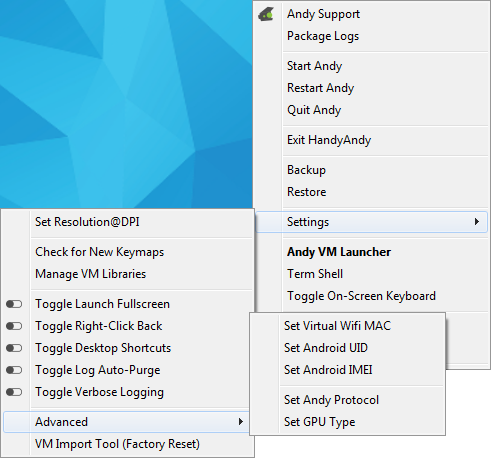
Andy used to stand out because it gave you deeper device-level settings than most casual emulators.
Its old appeal was flexibility. You could tweak resolution, device identifiers, location settings, and a bunch of other virtual device details. That was useful back then. Today, most people need something maintained, less sketchy, and easier to trust after a long day when you do not want surprise installer nonsense.
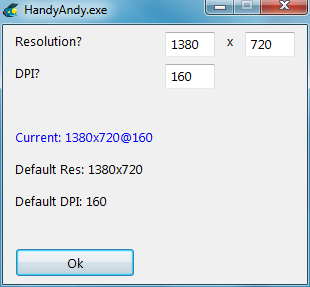
Display tuning was one of the reasons Andy got attention in its early days.
| Key fact | Details |
|---|---|
| Primary use | General Android emulation, originally aimed at casual users and testers |
| Google Play | Supported in its earlier usable versions |
| Current recommendation | Not recommended for most users today |
| Official status | Verify manually before trusting any installer or download page |
Best for: Someone researching old emulators, or dealing with a very specific legacy setup they already know and trust.
Skip if: You want a current, dependable Android emulator for daily use.
Main features Andy used to offer
- Google Play app support in its working period
- Android phone as a remote controller
- Push notifications and sync-style features
- Language support across many regions
- Advanced virtual device settings for testers
- Desktop browser app download support
Compatibility and system requirements
The original compatibility section was clearly from another era. It mentioned Windows 7, Windows 8, Ubuntu 14.04, and old macOS versions that do not help much now. If you still want to try Andy for some reason, check the current source yourself before trusting any install file.
Download Andy OS Emulator
I am not giving this a fresh recommendation link because I can’t confidently say it is a good install for normal readers today. If you wanted what Andy used to offer, I’d point you toward Genymotion for testing or Nox for casual Android use on Windows.
#02, Genymotion
If you build apps, test apps, or need repeatable Android environments, Genymotion still makes immediate sense. I like it because it knows what it is. No fake gamer vibe. No flashing banners. You open it, choose a virtual device, and get on with your work.
Genymotion is a testing tool first. That is exactly why it has aged better than many consumer emulators. It is not trying to be everything for everyone. And honestly, that’s refreshing.
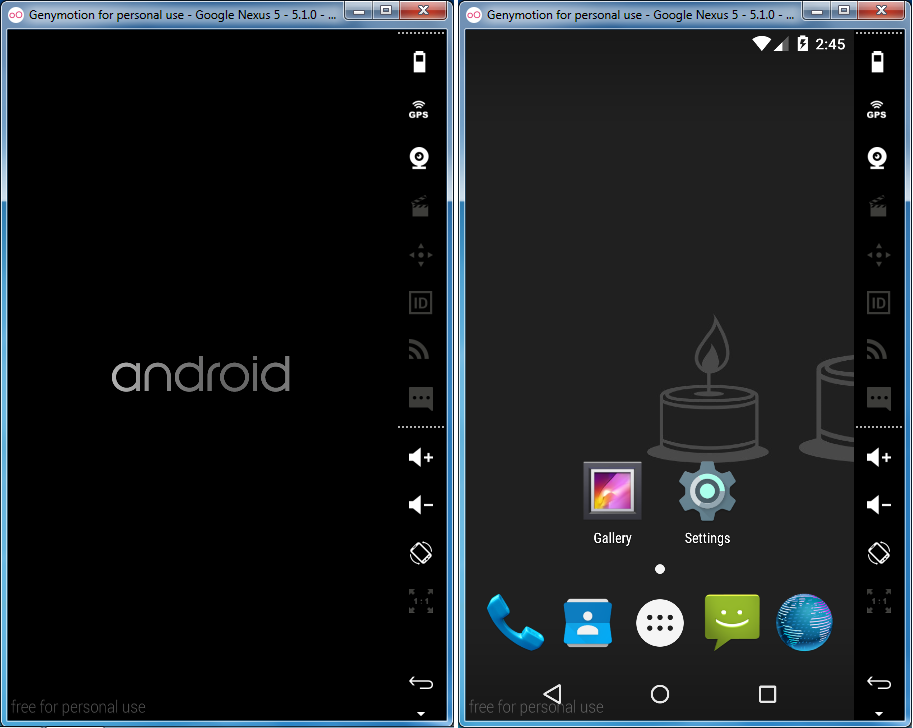
Genymotion feels closer to a developer workstation than a gaming launcher, which is why it still holds up.
The old article got one thing right. Genymotion is usually fast. It boots quickly, lets you simulate GPS, battery, camera states, and other device conditions, and works well when you need a clean test loop. For debugging, QA, demos, or checking layout behavior on different virtual phones, that stuff matters more than flashy extras.
The catch is Google Play support. Casual users often expect a simple Play Store experience and get annoyed when the setup is not as plug-and-play as they hoped. Depending on the image and workflow, it can take extra steps. So if your goal is just installing random apps and chilling, this can feel more technical than it needs to be.
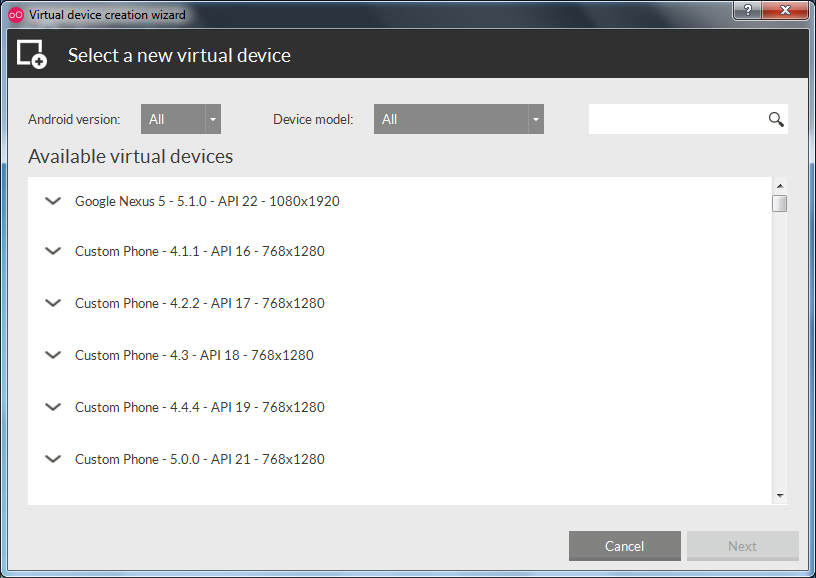
The device library is still one of Genymotion’s biggest strengths if you test across different screen sizes.
Older guides talk a lot about very specific VirtualBox versions. Ignore those exact version references and check the current documentation instead. Genymotion’s desktop and cloud options have changed over time, and stale setup guides are where people waste hours for no reason.
I used to recommend Genymotion as the nerdy alternative. I say it more directly now. If you need Android for development or QA, this is the best option in this article.
| Key fact | Details |
|---|---|
| Primary use | Android app development, QA, testing, demos |
| Google Play | Possible in some workflows, but not the easiest setup for casual users |
| Performance | Usually fast and stable on decent hardware |
| Pricing | Free or trial-style options may exist, paid plans vary by use case, check the current site |
| Platform support | Windows, macOS, Linux, plus cloud options depending on the plan |
Best for: Developers, testers, QA teams, and anyone who needs device simulation more than gaming features.
Skip if: You just want an easy Play Store emulator for mobile games.
Main features of Genymotion
- Fast boot times for virtual Android devices
- Device simulation across different screen sizes and hardware profiles
- GPS, battery, camera, and sensor testing tools
- Useful for repeatable QA scenarios
- Desktop and cloud workflows for teams
- Cleaner interface than most consumer emulators
Compatibility and system requirements
The original system requirements are stale, so I would not publish them as active advice. Current requirements depend on whether you use the desktop version, the cloud version, and what virtualization setup your host machine supports. Check the official docs before installing. That matters more than a 2016 spec sheet.
Download Genymotion
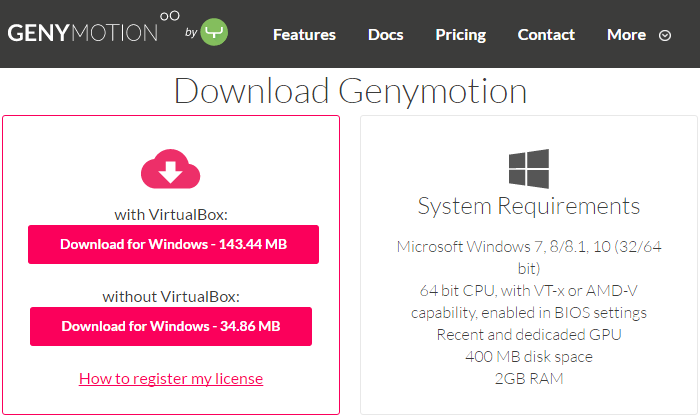
Check the current plan details before signing up because Genymotion changes packaging and pricing from time to time.
#03, Nox App Player
Nox is the one most regular users still recognize as a direct BlueStacks alternative. It is built more for people who want Android games and everyday apps on a PC, not for someone setting up a polished QA lab. And to be fair, when it behaves, it is easy to like.
I first tried Nox years ago because I wanted something lighter for game installs and quick APK testing. The boot time was fine, the controls were easy to find, and built-in Google Play support made setup less annoying. That still matters. Nox is easier for casual use than Genymotion.
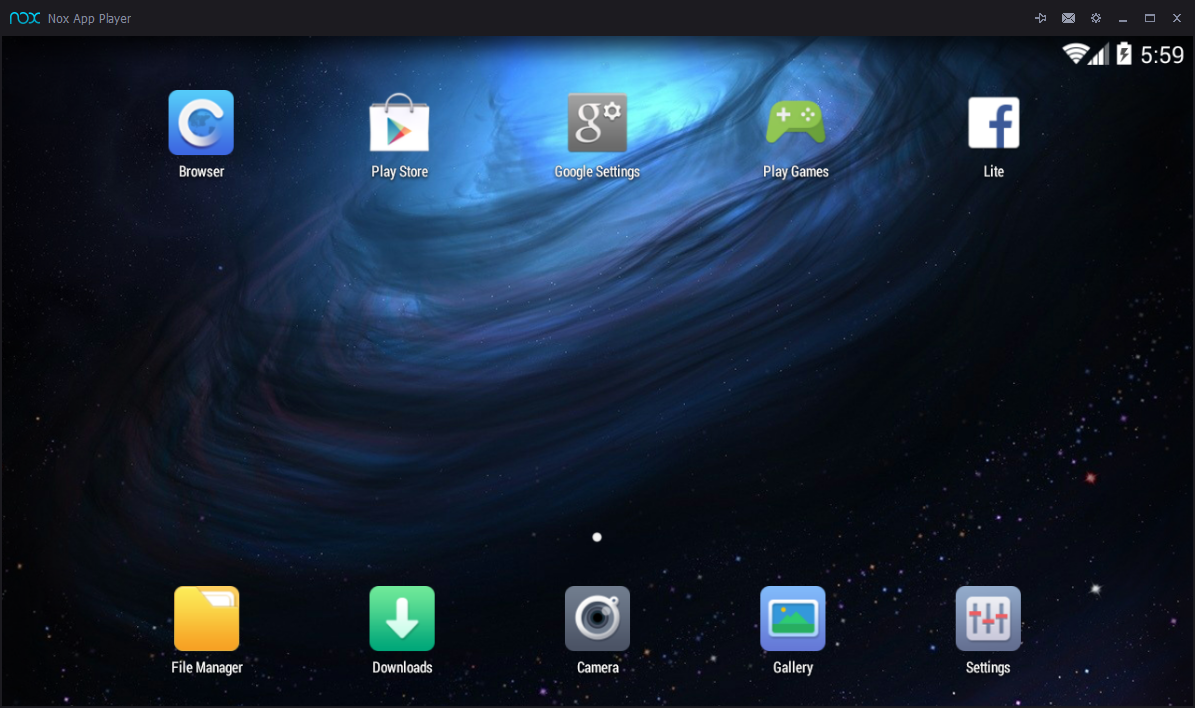
Nox has always leaned into a gamer-friendly layout with quick controls parked on the side.
Now the honest part. Nox has had reputation swings over the years around bundled installers, weird download mirrors, and trust questions depending on where people grabbed it from. So if you use it, download only from the official site, avoid third-party portals completely, and actually read the installer screens. Late-night next-next-finish clicking is how people end up annoyed, yaar.
The original article mentioned Android 4.4.2, which is obviously ancient now. Nox moved past those early builds, but it still is not the tool I’d choose if I needed the latest Android APIs for serious development. It is more about convenience than precision.
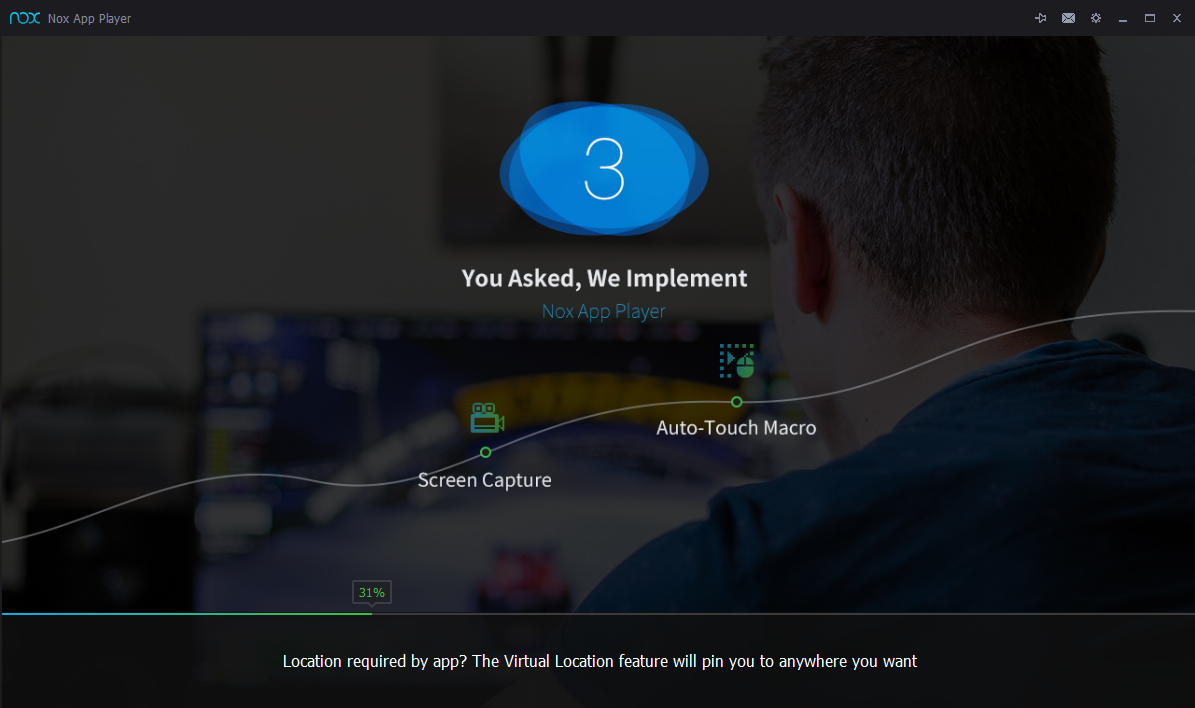
Startup is usually decent if virtualization is enabled and your PC has enough spare RAM.
What I still like about Nox is the practical stuff. Keyboard mapping works. Drag-and-drop APK installs are simple. Resource allocation settings can help a lot if your PC is older or already under load. On a mid-range machine, that can be the difference between usable and miserable.
There is also a hidden cost people forget. Emulator speed depends heavily on your host PC. If virtualization is off in BIOS, your RAM is tight, or your antivirus is scanning every file like it has personal beef with you, performance will tank. Then people blame the emulator for everything.
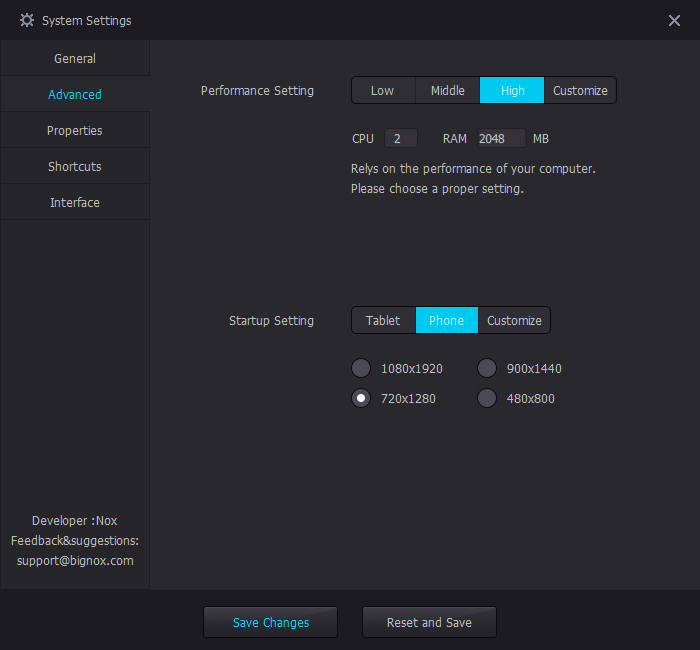
The CPU and RAM controls are actually useful if you need to tune performance for games or heavier Android apps.
One more thing. The old version of this article said there were no ads and no limits. I would not repeat that as a blanket statement now. Products change, monetization changes, regional behavior changes. Check what the current release actually does before you commit.
| Key fact | Details |
|---|---|
| Primary use | Android gaming and general app use on Windows |
| Google Play | Usually supported |
| Customization | Good keyboard mapping, resource allocation, display settings |
| Current status | Still active, but install carefully and verify the source |
| Security note | Avoid third-party download portals completely |
Best for: Casual users who want a familiar Android-on-PC setup for apps and games.
Skip if: You need a cleaner developer workflow, or you do not want to think about installer trust at all.
Main features of Nox App Player
- Google Play access for easy app installs
- APK drag-and-drop installation
- Keyboard mapping for games
- CPU and RAM allocation controls
- Screen resolution tuning
- Quick-access tools for screenshots, location, and recording
Compatibility and system requirements
The original requirements list is badly outdated, including support notes from the Windows XP era. For current use, assume you want a 64-bit version of Windows, hardware virtualization enabled, and enough RAM to comfortably spare at least 4 GB, preferably more. Then check the official requirements before installing.
Download Nox App Player
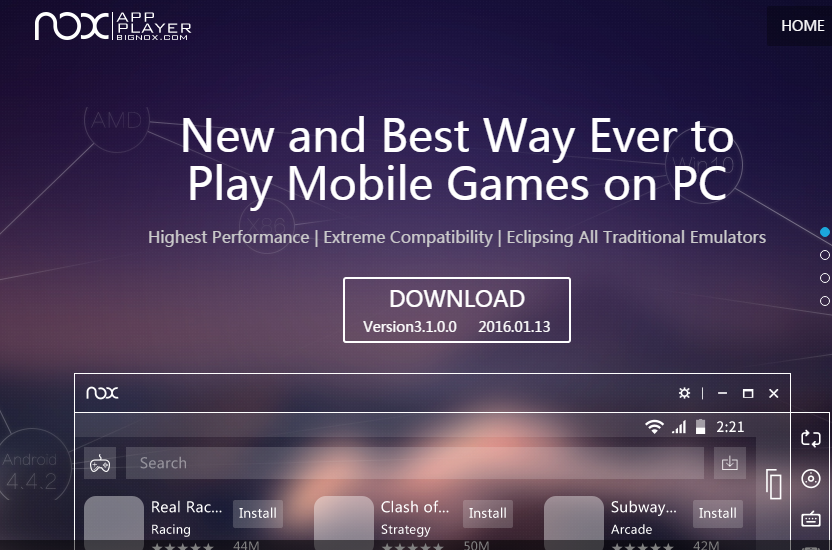
If you choose Nox, use the official website only and double-check what the installer is doing.
A common mistake people make with Android emulators
They compare features and ignore trust. On paper, an emulator can look amazing. Then you open the site and it feels abandoned, the Android version is ancient, or the installer starts acting too helpful. That’s usually the moment I close the tab.
Do one thing. Before you install any emulator, check these four things first.
- Is the official site still active?
- Has the tool been updated recently?
- Does it support the Android version or apps you actually need?
- Would you trust this installer on your own PC at 11:40 p.m. when you’re too tired to troubleshoot?
What I’d actually do
If I needed an emulator for app development or QA, I’d use Genymotion. It is the most credible option in this list right now.
If I needed an emulator for casual Android gaming or everyday apps on Windows, I’d consider Nox, but only after downloading it from the official site and checking the setup properly.
I would not install Andy unless I had a very specific legacy reason and already knew exactly what I was dealing with.
My final pick
BlueStacks is still popular, but popularity does not mean it is the right fit for you. If you landed here because BlueStacks felt too heavy, too ad-happy, or just tiring, yes, there are alternatives. Just fewer good ones than old blog posts pretend.
So here is the plain answer. Genymotion wins for serious work. Nox wins for casual use, with caution. Andy belongs more in emulator history than on a fresh install list.
If it were my own machine, on a tired Tuesday night, with chai going cold next to the keyboard, that’s exactly what I’d trust.
Comments
5 responses
Andyroid is detected as malware
Turn off your antivirus and then use it.
I have installed andy os on my mac successfully, although I need to run or install an apk file program that I downloaded and is in the download folder of my mac. How do I install it inside Andy OS then? Also how can I open the vce files that is also downloaded on my Mac to be read by the apk app that will be installed in the Andy OS?
Directly download files in andy OS and use them. Alternatively you can move the files to andy source folder.
I tried moving the files from finder folder to the andyOS folder, it is not working.