Deferred Revenue
Deferred revenue (also called unearned revenue) is money a company has collected from customers but has not yet earned according to revenue recognition principles, because the corresponding service or product has not yet been delivered; When a customer pays $1,200 upfront for an annual SaaS subscription, the company records $1,200 in cash (asset) and $1,200 in deferred revenue (liability); Understanding deferred revenue is critical for SaaS founders who track ARR and MRR as growth metrics
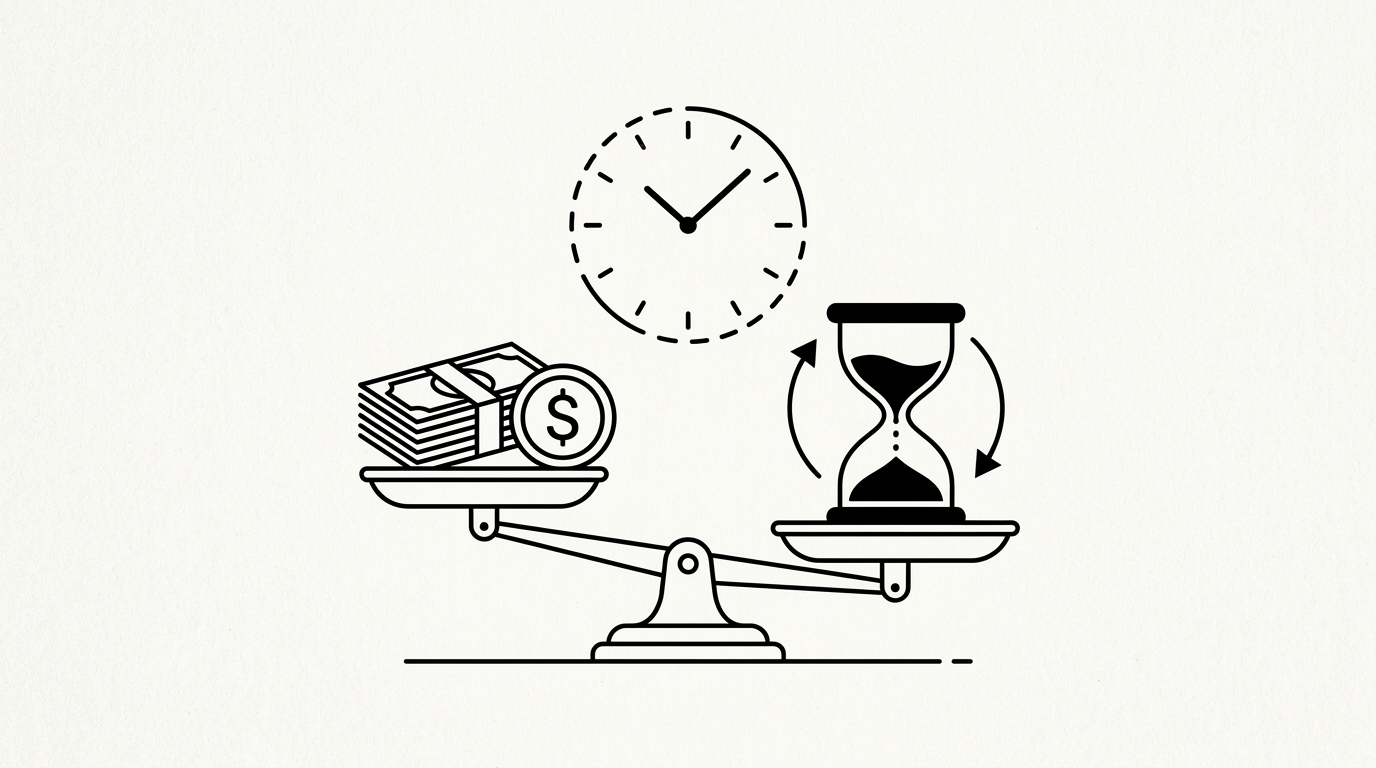

Deferred revenue (also called unearned revenue) is money a company has collected from customers but has not yet earned according to revenue recognition principles, because the corresponding service or product has not yet been delivered. It appears as a current liability on the balance sheet. As the company fulfills its obligations over time, deferred revenue is recognized as earned revenue on the income statement. For SaaS businesses selling annual subscriptions upfront, deferred revenue can be a substantial and strategically important item on the balance sheet.
How it works
When a customer pays $1,200 upfront for an annual SaaS subscription, the company records $1,200 in cash (asset) and $1,200 in deferred revenue (liability). Each month, as one month of service is delivered, $100 of deferred revenue is reclassified to recognized revenue on the income statement. After 12 months, the deferred revenue balance returns to zero and all $1,200 has been recognized. The balance of deferred revenue at any point represents the remaining service obligation to customers who have prepaid.
Key facts
- Balance sheet signal: A growing deferred revenue balance is a positive indicator in SaaS, signaling strong upfront annual contract sales and future locked-in revenue.
- Acquisition implications: When a company is acquired, deferred revenue is often written down (haircut) because the acquirer must deliver the service at cost without receiving new cash.
- Cash flow advantage: Deferred revenue means cash arrives before expenses are incurred to deliver the service, creating positive working capital dynamics for subscription businesses.
For builders
Understanding deferred revenue is critical for SaaS founders who track ARR and MRR as growth metrics. Annual plans create a gap between cash collected (which improves cash flow) and recognized revenue (which is what gets reported on the income statement), and conflating the two leads to inaccurate financial planning. For investors and acquirers, the deferred revenue balance is scrutinized carefully, because high deferred revenue can indicate strong sales activity or, if churn is rising, a future revenue cliff as prepaid subscriptions expire without renewal.
Sources
- FASB. Financial Accounting Standards Board standards (US GAAP). fasb.org
- IFRS Foundation. International Financial Reporting Standards. ifrs.org
- IRS. Small business tax and accounting guidance. irs.gov
- AICPA-CIMA. Accounting standards and resources. aicpa-cima.com
- U.S. SEC. EDGAR public filings database. sec.gov
