ARR (Annual Recurring Revenue)
ARR (Annual Recurring Revenue) is MRR multiplied by 12, representing the annualized run-rate of a subscription business at a point in time; ARR is calculated by summing the annual value of all active subscription contracts; ARR provides a single number to communicate business scale, but it can obscure quality issues
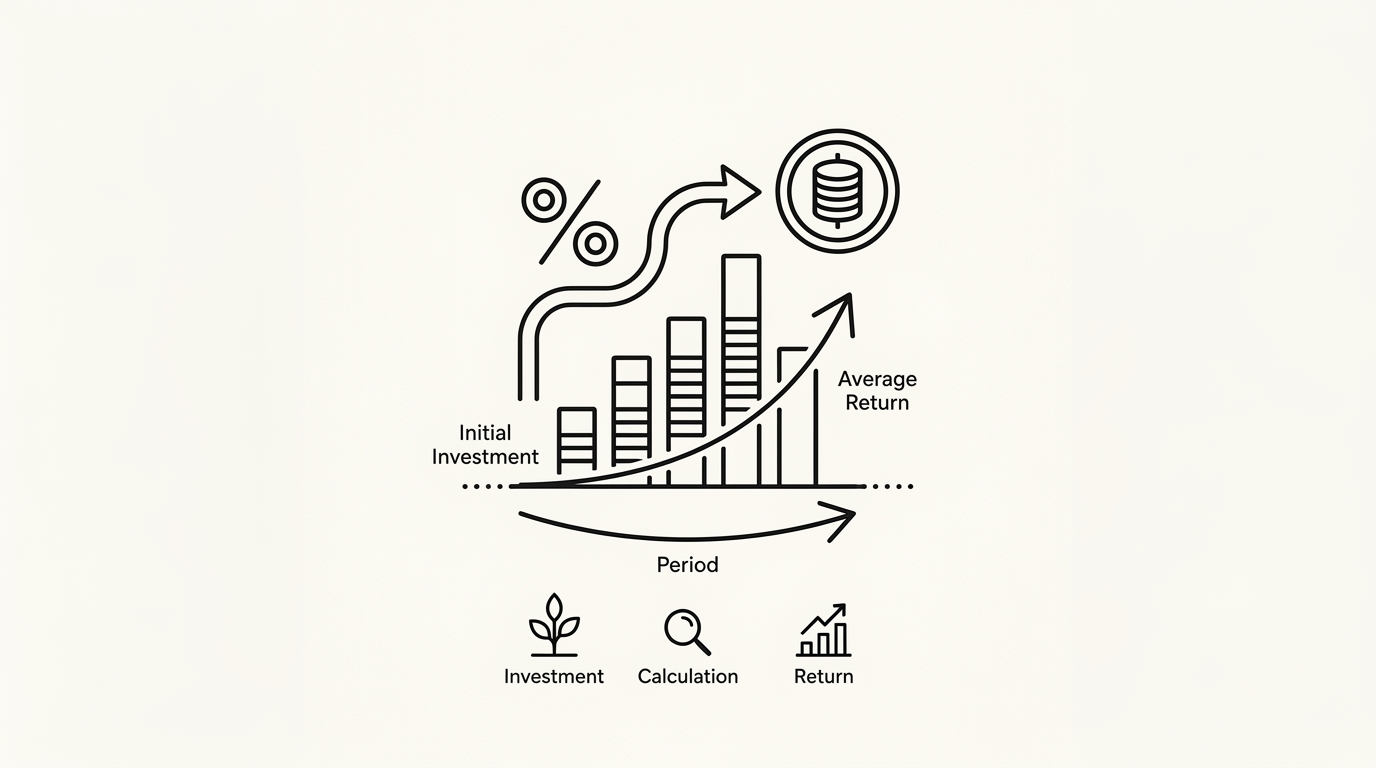

ARR (Annual Recurring Revenue) is MRR multiplied by 12, representing the annualized run-rate of a subscription business at a point in time. ARR is the standard benchmark metric used by investors and analysts to assess SaaS company scale, particularly for businesses with annual contract billing.
How it works
ARR is calculated by summing the annual value of all active subscription contracts. For monthly subscribers, the current monthly value is multiplied by 12. ARR milestones (1M, 10M, 100M) serve as reference points for growth stage, hiring norms, and fundraising multiples in SaaS.
Key facts
- ARR vs. revenue: ARR is a forward-looking metric; recognized revenue follows accounting rules like ASC 606
- ARR multiples: Public SaaS companies are often valued as a multiple of ARR based on growth rate and gross margin
- 1M ARR milestone: Commonly cited as the threshold proving repeatable customer demand in early-stage SaaS
For builders
ARR provides a single number to communicate business scale, but it can obscure quality issues. High ARR with low NRR signals that revenue is eroding from the existing base, which erodes growth efficiency over time.
Sources
- Bessemer Venture Partners. State of the Cloud annual report. bvp.com
- SaaStr. SaaS benchmarks and metrics archive. saastr.com
- Bain & Company. The Net Promoter System. bain.com
- KPMG. Private SaaS Company Survey. kpmg.com
- ChartMogul. SaaS metrics benchmarks and definitions. chartmogul.com
