Zero-Click Search
Zero-click search describes a search session in which the user's query is answered entirely within the SERP (search engine results page) without requiring a click to an external website; Google identifies queries that can be answered directly from structured or semi-structured web data and surfaces the answer in a SERP feature rather than requiring users to click through; The rise of zero-click search, compounded by AI Overviews, makes pure informational traffic increasingly unreliable as a business model
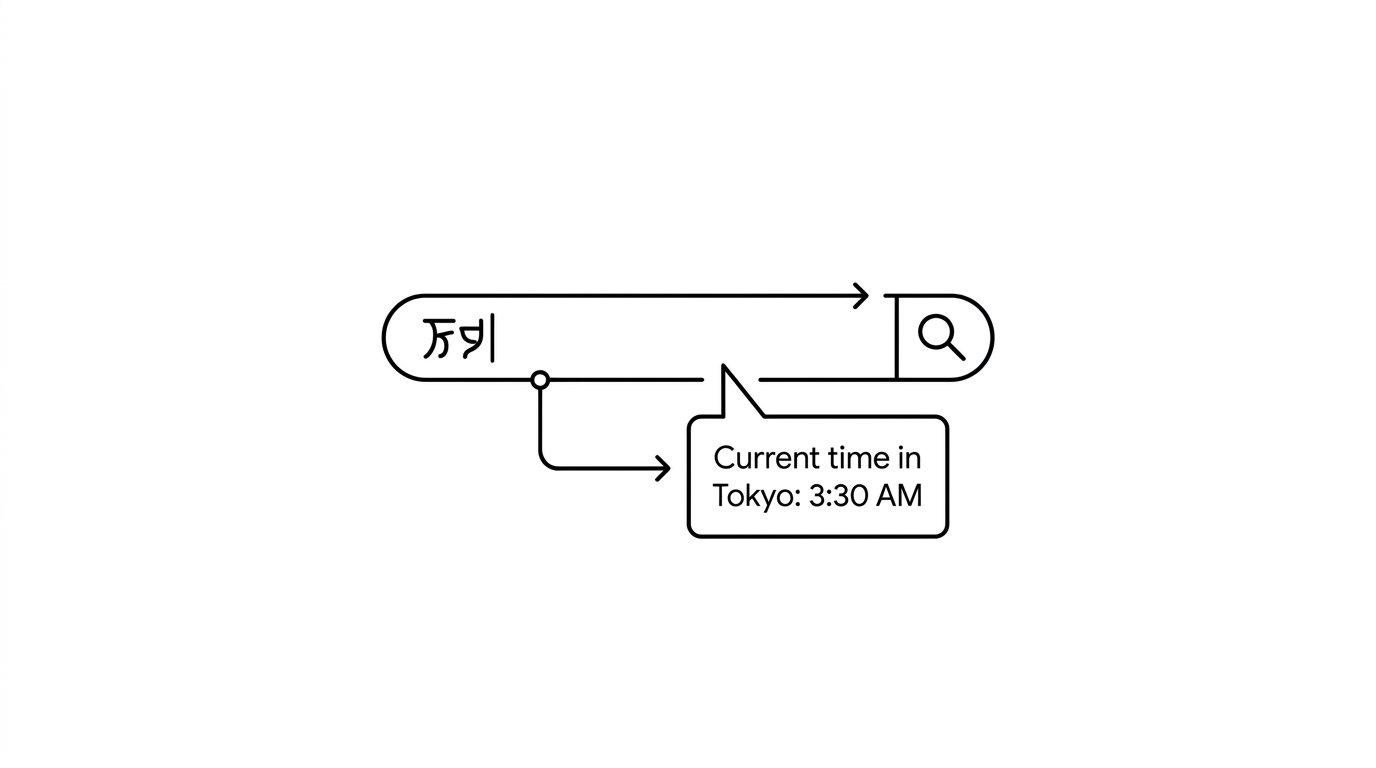

Zero-click search describes a search session in which the user’s query is answered entirely within the SERP (search engine results page) without requiring a click to an external website. Features that produce zero-click outcomes include featured snippets, knowledge panel answers, AI Overviews, unit conversions, weather forecasts, sports scores, dictionary definitions, and calculator results. Zero-click searches represent a growing share of total Google searches, with estimates from studies by SparkToro and others suggesting 60% or more of US Google searches result in zero clicks to any website.
How it works
Google identifies queries that can be answered directly from structured or semi-structured web data and surfaces the answer in a SERP feature rather than requiring users to click through. The source that Google uses to populate the answer may receive attribution (a source URL shown below a featured snippet) but receives no click. For publishers, zero-click searches mean that ranking number one for an informational query may deliver less traffic than in prior years, because the answer is visible without clicking. Queries most susceptible to zero-click include simple factual questions, definitions, conversions, and local business information.
Key facts
- SparkToro study (2022): An analysis of 5.1 trillion Google searches found that approximately 65% resulted in zero clicks, with significant variation by query type.
- Featured snippet paradox: Earning a featured snippet often increases brand visibility but may reduce click-through rate compared to a standard result, because the answer is shown directly.
- Mitigation strategy: Targeting query types that require the user to engage with the content (interactive tools, detailed comparisons, step-by-step processes) reduces zero-click susceptibility.
For builders
The rise of zero-click search, compounded by AI Overviews, makes pure informational traffic increasingly unreliable as a business model. For WikiWalls and similar publishers, the strategic response is to design content that serves as an entry point to deeper engagement rather than a complete standalone answer: a glossary entry that answers ‘what is X’ for free but links to a comprehensive guide, tool comparison, or newsletter signup creates value even when users arrive from a zero-click feature. Building email list and direct audience channels reduces dependence on search traffic clicks for monetization.
Sources
- Google. Structured data for AI Overviews and rich results. developers.google.com
- Google. AI Overviews and generative search updates. blog.google
- Semrush. Answer Engine Optimization research. semrush.com
- Ahrefs. Zero-click search and AEO research. ahrefs.com
- Search Engine Journal. AI search and AEO coverage. searchenginejournal.com
