Wire Transfer
Wire transfer is a direct, bank-to-bank electronic payment that moves funds in real time through networks like Fedwire (domestic US) or SWIFT (international); The sending bank authenticates the transaction, debits the sender's account, and transmits payment instructions through Fedwire or SWIFT to the receiving bank; Founders encounter wires most often when receiving investment rounds, paying large infrastructure vendors, or closing acquisitions
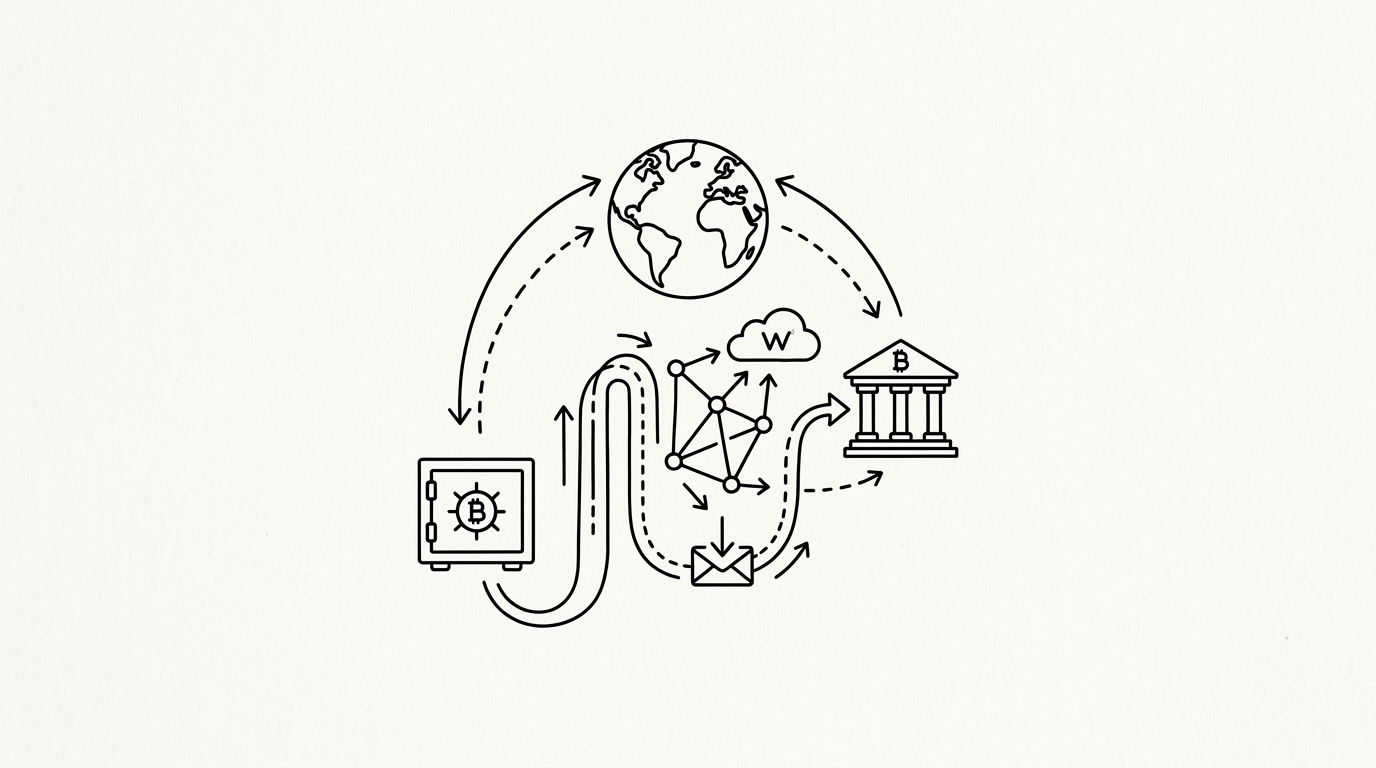

Wire transfer is a direct, bank-to-bank electronic payment that moves funds in real time through networks like Fedwire (domestic US) or SWIFT (international). Unlike ACH, wire transfers are processed individually rather than in batches, making them irrevocable once sent. Wires are the preferred mechanism for large transactions such as real estate closings, acquisitions, large vendor payments, and investor capital calls.
How it works
The sending bank authenticates the transaction, debits the sender’s account, and transmits payment instructions through Fedwire or SWIFT to the receiving bank. Domestic Fedwire transfers settle in minutes during Federal Reserve business hours. International SWIFT wires can take 1-5 business days and pass through correspondent banks, each of which may deduct a handling fee. The receiving bank credits the beneficiary’s account once it receives the funds and reconciles the message.
Key facts
- Irrevocability: Once a wire clears, it cannot be reversed by the sender, making wire fraud particularly damaging.
- Fees: Domestic outgoing wires typically cost $15 to $35 at traditional banks; neobanks like Mercury offer free incoming and reduced outgoing wire fees.
- SWIFT codes: International wires require a SWIFT/BIC code identifying the receiving bank in addition to account and routing numbers.
For builders
Founders encounter wires most often when receiving investment rounds, paying large infrastructure vendors, or closing acquisitions. The irrevocability of wires makes verifying recipient details critical before sending. For SaaS businesses operating internationally, wire transfer fees and FX conversion spreads can become a meaningful cost center, making multi-currency accounts or fintech solutions like Wise Business worth evaluating.
Sources
- FDIC. Deposit insurance coverage rules and limits. fdic.gov
- Federal Reserve. Payment systems policy and supervision. federalreserve.gov
- Nacha. ACH Network Rules. nacha.org
- OCC. Payments supervision and guidance. occ.gov
- CFPB. Consumer financial protection research and reports. consumerfinance.gov
