P50/P95 Latency
P50/P95 Latency is a percentile-based way of characterizing network delay that is more informative than a simple average; Latency measurements are collected by sending a series of probe packets (typically ICMP ping or TCP SYN probes) to a reference server and recording the round-trip time for each; When evaluating a new eSIM plan or hotel Wi-Fi for remote work suitability, running a latency test and noting both the P50 and P95 values gives a realistic picture of usability
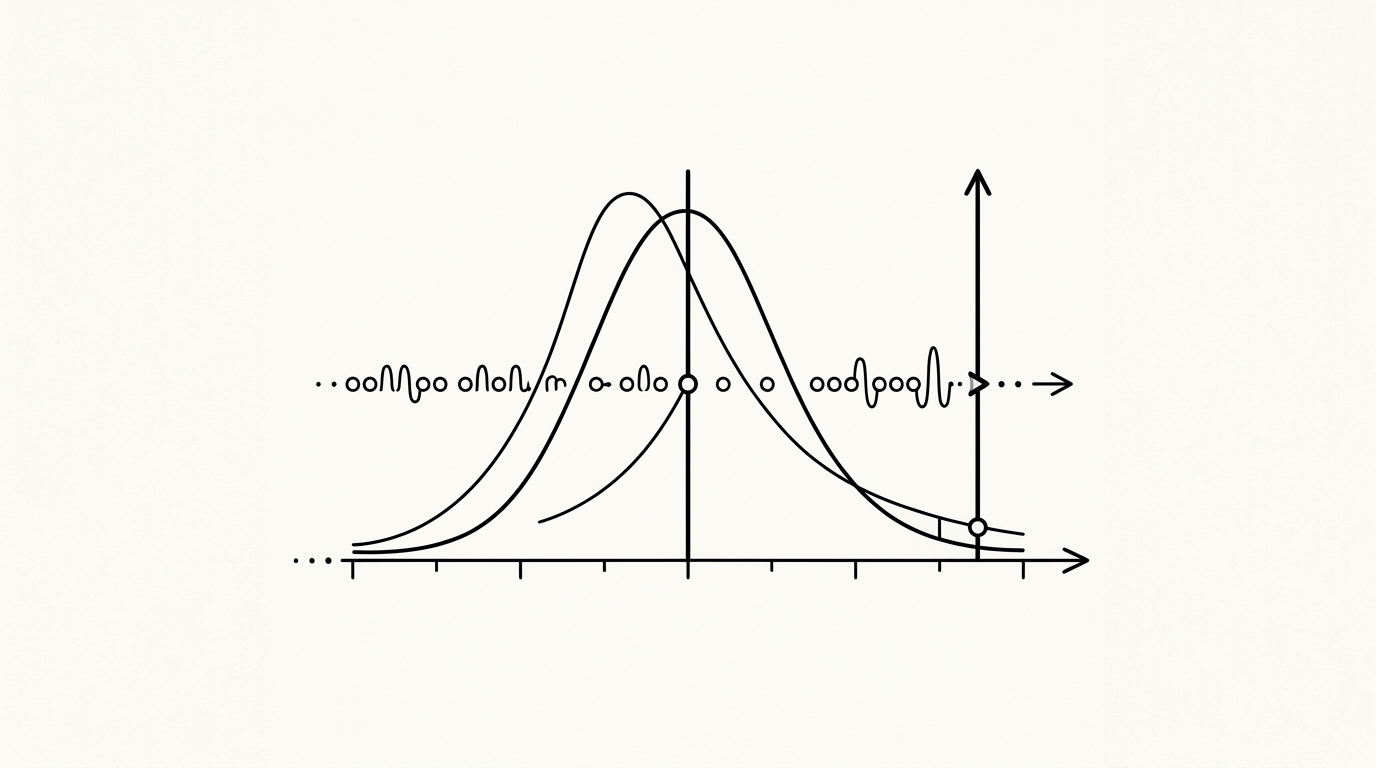

P50/P95 Latency is a percentile-based way of characterizing network delay that is more informative than a simple average. P50 (the 50th percentile) represents the median latency, meaning half of all measured requests are faster and half are slower. P95 (the 95th percentile) captures the ‘near-worst-case’ experience that a user will encounter roughly one in twenty requests. For mobile networks, P95 latency is particularly important for interactive workloads like video calls and terminal sessions, where even occasional high-latency spikes degrade usability.
How it works
Latency measurements are collected by sending a series of probe packets (typically ICMP ping or TCP SYN probes) to a reference server and recording the round-trip time for each. The collected samples are sorted and the value at the desired percentile rank is read off. P50 reflects normal conditions; P95 and P99 reveal the tail behavior caused by retransmissions, handoffs between cell towers, or network congestion. Tools like Ookla Speedtest and Cloudflare Speed report both median and worst-case latency metrics.
Key facts
- Typical LTE P50: 20 ms to 50 ms on a well-configured LTE network; 5G can achieve under 10 ms P50
- Video call threshold: Most video conferencing tools tolerate up to 150 ms P50 latency before users notice degradation
- Roaming latency penalty: Roaming via a home-carrier plan often adds 50 ms to 200 ms because traffic routes back to the home network before reaching the internet
For builders
When evaluating a new eSIM plan or hotel Wi-Fi for remote work suitability, running a latency test and noting both the P50 and P95 values gives a realistic picture of usability. A connection with excellent P50 latency but very high P95 latency (common on congested or distant networks) will produce intermittent stutters during calls that are more disruptive than a consistently mediocre but stable connection.
Sources
- Ookla. Speedtest methodology and reference network reports. ookla.com
- ITU. Recommendation Y.1541: Network performance objectives for IP-based services. itu.int
- IETF. RFC 2330: Framework for IP Performance Metrics. datatracker.ietf.org
- GSMA. State of the eSIM Market whitepaper. gsma.com
- Opensignal. Mobile network experience reports. opensignal.com
