Let’s Encrypt
Let's Encrypt is a nonprofit certificate authority operated by the Internet Security Research Group (ISRG) that provides free, domain-validated TLS certificates via an automated protocol called ACME (Automated Certificate Management Environment); The ACME client on the server requests a certificate by proving control of the domain through one of two challenge types: HTTP-01 (placing a file at a well-known URL on the domain) or DNS-01 (creating a specific TXT record in the domain's DNS zone); Let's Encrypt integrations in Caddy and Traefik work automatically with no configuration beyond specifying an email address for expiry notifications
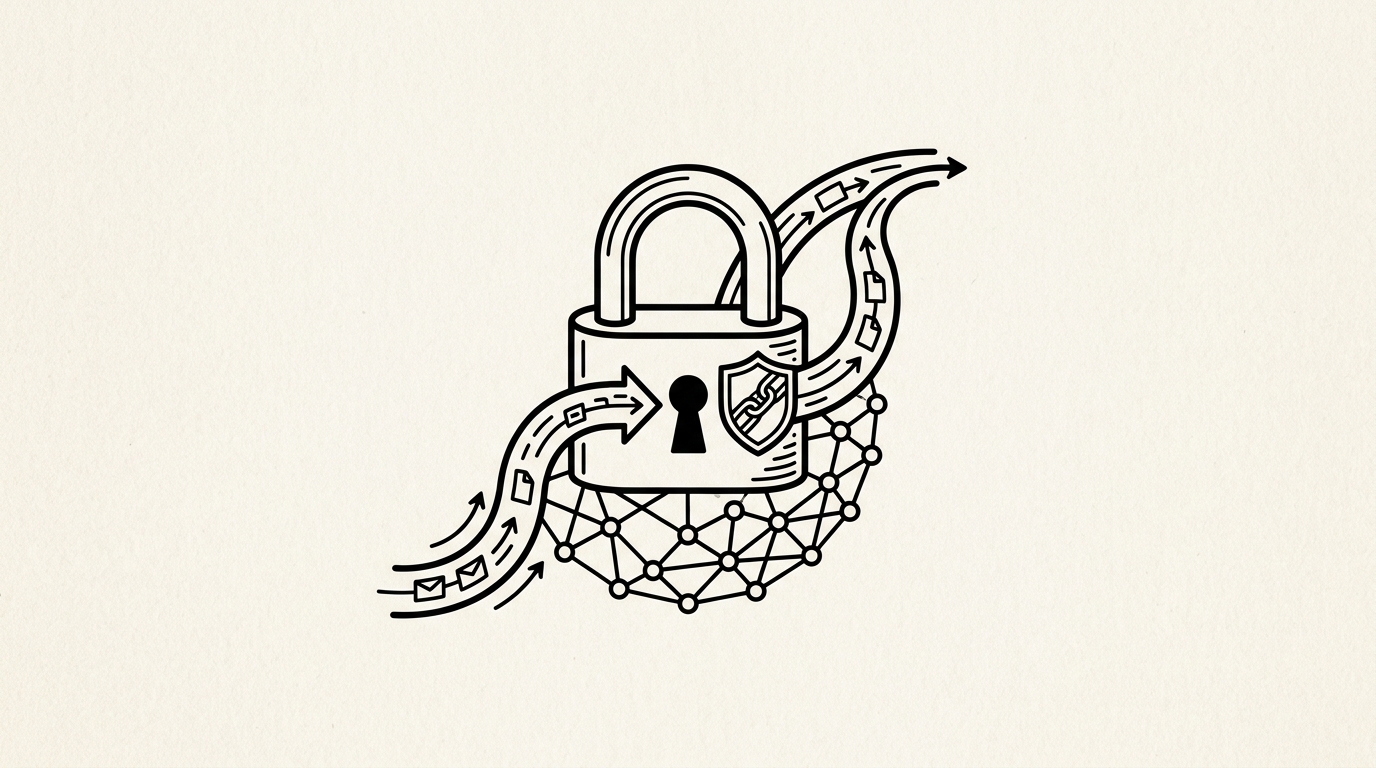

Let’s Encrypt is a nonprofit certificate authority operated by the Internet Security Research Group (ISRG) that provides free, domain-validated TLS certificates via an automated protocol called ACME (Automated Certificate Management Environment). Since launching in 2015, it has become the largest CA by issuance volume, having issued certificates for hundreds of millions of domains. Its existence eliminated the primary cost barrier to HTTPS adoption and is the reason nearly all self-hosted web services can run HTTPS without paying for certificates.
How it works
The ACME client on the server requests a certificate by proving control of the domain through one of two challenge types: HTTP-01 (placing a file at a well-known URL on the domain) or DNS-01 (creating a specific TXT record in the domain’s DNS zone). Let’s Encrypt’s servers verify the proof, and if valid, sign a certificate with a 90-day validity period. ACME clients (Certbot, acme.sh, or the built-in ACME support in Caddy/Traefik) automate renewal approximately 30 days before expiration. The 90-day certificate lifetime is intentional, encouraging automation and limiting the exposure window for compromised certificates.
Key facts
- Rate limits: Let’s Encrypt imposes rate limits: 50 certificates per registered domain per week, and 5 failed validation attempts per account per hour
- Staging environment: letsencrypt.org provides a staging CA for testing ACME integrations without consuming production rate limits
- ZeroSSL alternative: ZeroSSL offers another free ACME-compatible CA that serves as a redundancy option if Let’s Encrypt is unreachable
For builders
Let’s Encrypt integrations in Caddy and Traefik work automatically with no configuration beyond specifying an email address for expiry notifications. The main operational concern for self-hosters is rate limits: developing and testing ACME provisioning should always target the Let’s Encrypt staging environment to avoid exhausting production rate limits. Services accessible only via Tailscale or Cloudflare Tunnel (not directly on the public internet) typically use Cloudflare’s certificate provisioning or a self-signed CA instead.
Sources
- IETF. RFC 8555: Automatic Certificate Management Environment (ACME). datatracker.ietf.org
- IETF. RFC 8446: TLS 1.3. datatracker.ietf.org
- Internet Security Research Group. Let’s Encrypt documentation. letsencrypt.org
- NIST SP 800-52 Rev. 2. Guidelines for the Selection, Configuration, and Use of TLS Implementations. nist.gov
- CISA. Cybersecurity advisories and guidance. cisa.gov
