API (Application Programming Interface)
An API (Application Programming Interface) is a contract between two software systems that defines how they can interact; When a client application sends a request to an API endpoint, the server processes the request according to defined rules and returns a structured response; APIs are the building blocks of modern software integration
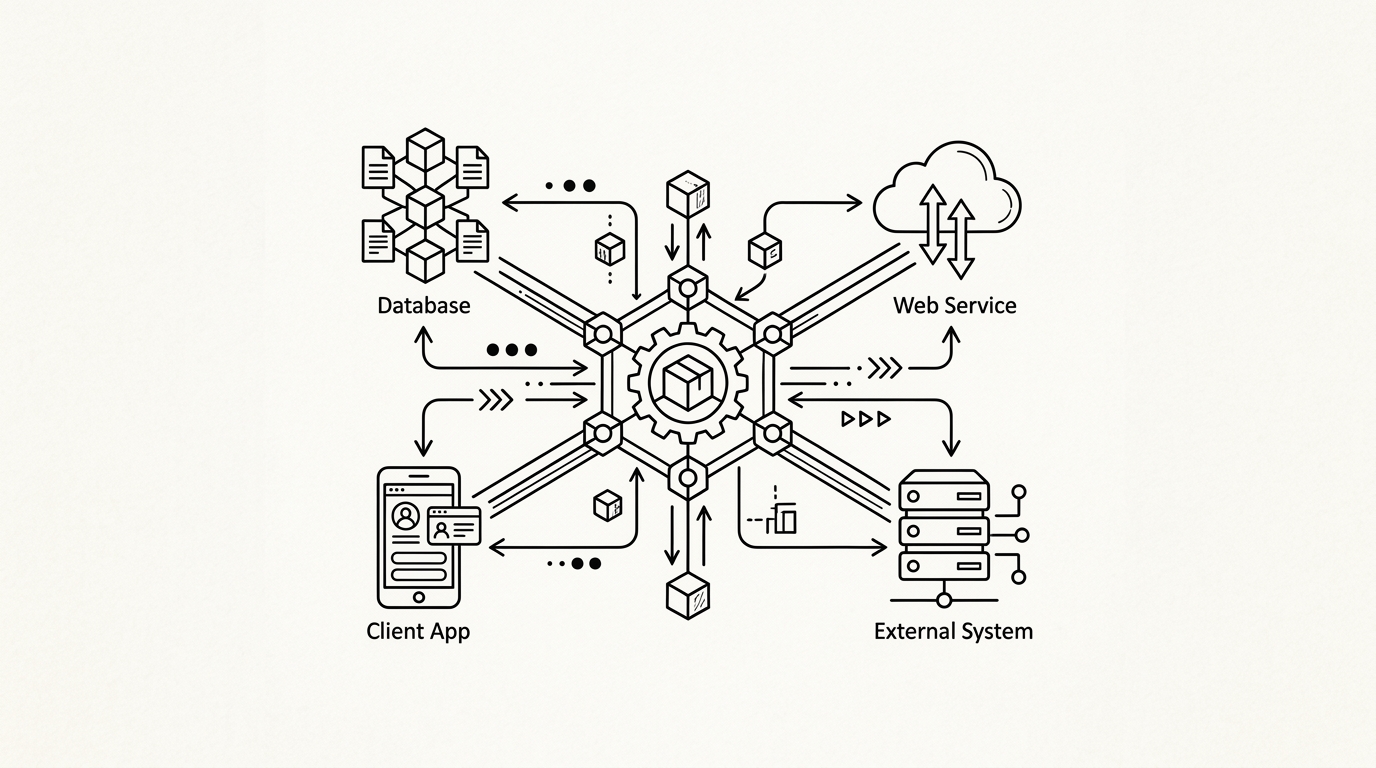

An API (Application Programming Interface) is a contract between two software systems that defines how they can interact. It specifies the available operations, data formats, and conventions that a client must follow to request services from a provider.
How it works
When a client application sends a request to an API endpoint, the server processes the request according to defined rules and returns a structured response. The API abstracts the underlying implementation, exposing only what the provider intends to share.
Key facts
- Abstraction layer: APIs hide implementation complexity, exposing only necessary functionality
- Contract-based: API specifications define expected inputs, outputs, and error conditions
- Protocol-agnostic: APIs can operate over HTTP, TCP, message queues, or other transports
For builders
APIs are the building blocks of modern software integration. Whether consuming third-party services or exposing your own product’s functionality, understanding API design patterns determines how reliably your systems compose.
Sources
- IETF. RFC 9110: HTTP Semantics. datatracker.ietf.org
- IETF. RFC 9112: HTTP/1.1. datatracker.ietf.org
- Fielding, R. (2000). Architectural Styles and the Design of Network-based Software Architectures (REST). UC Irvine. ics.uci.edu
- OWASP. API Security Top 10 (2023). owasp.org
- MDN Web Docs. HTTP reference. developer.mozilla.org
