eSIM-Compatible Phone
eSIM-Compatible Phone is any smartphone that includes an eUICC (embedded Universal Integrated Circuit Card) and the device firmware required to provision, manage, and switch carrier profiles via the GSMA SGP.22 standard; The device's Local Profile Assistant (LPA) software handles communication with carrier SM-DP+ servers during profile download and with the eUICC chip for profile installation and switching; Before purchasing a travel eSIM plan, verifying the device's unlock status is the single most important step
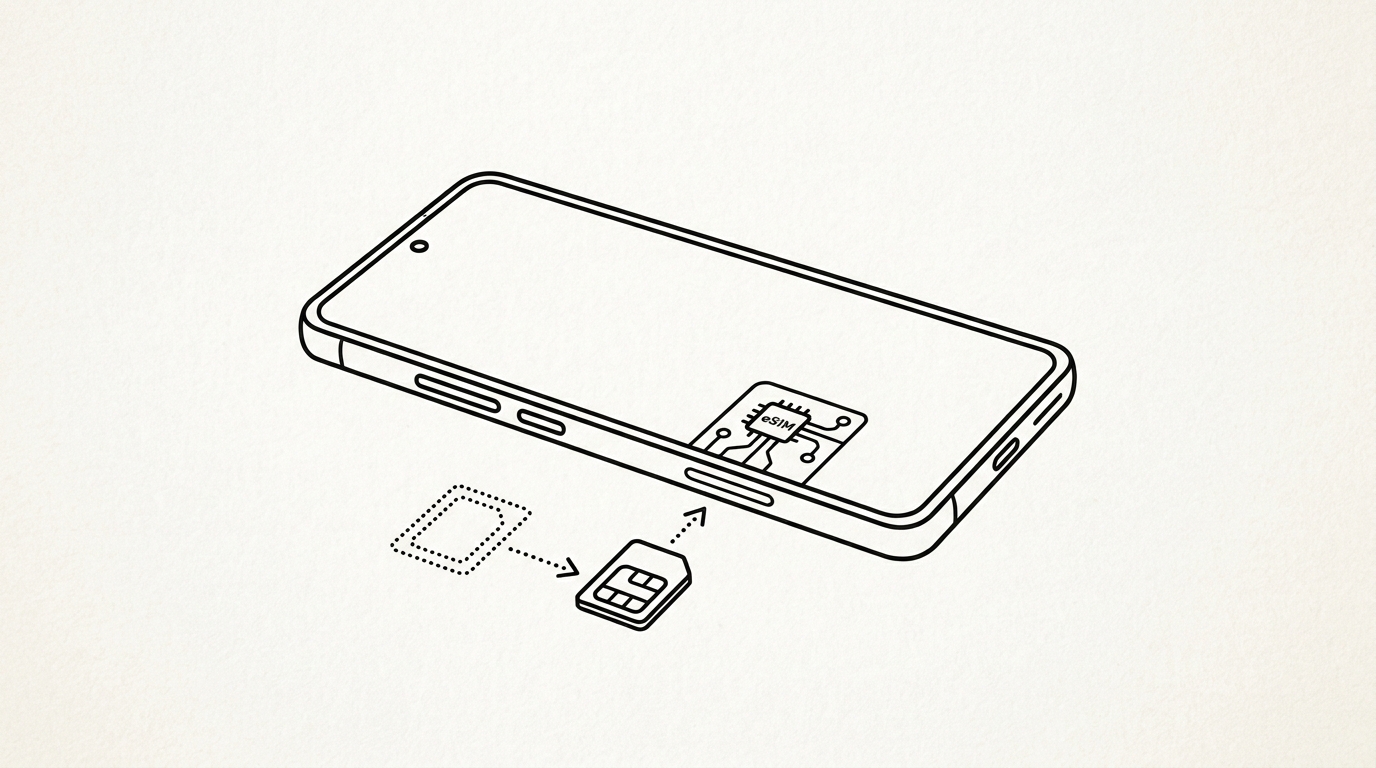

eSIM-Compatible Phone is any smartphone that includes an eUICC (embedded Universal Integrated Circuit Card) and the device firmware required to provision, manage, and switch carrier profiles via the GSMA SGP.22 standard. Support began appearing in flagship devices around 2018 (iPhone XS, Pixel 3) and has since expanded to virtually all premium and mid-range Android and iOS devices. Compatibility alone is not sufficient for travel use: the device must also be carrier-unlocked.
How it works
The device’s Local Profile Assistant (LPA) software handles communication with carrier SM-DP+ servers during profile download and with the eUICC chip for profile installation and switching. The LPA is part of the device OS and is accessed through the native SIM management UI (Settings > Cellular on iOS, or Settings > Network > SIM on Android). Manufacturers must pass GSMA compliance testing and obtain certification before their eSIM implementation is considered interoperable.
Key facts
- Unlock requirement: A carrier-locked eSIM-compatible phone cannot install third-party eSIM profiles even if the hardware supports it
- Major compatible lines: iPhone XS and later, Google Pixel 3 and later, Samsung Galaxy S20 and later (varies by region/carrier variant)
- Check before you buy: Some regional variants of Android phones ship with eSIM disabled or removed to satisfy carrier exclusivity agreements
For builders
Before purchasing a travel eSIM plan, verifying the device’s unlock status is the single most important step. A phone purchased directly from Apple or Google is typically unlocked; a phone purchased through a carrier on a subsidy plan may remain locked for 12 to 24 months. Attempting to activate a travel eSIM on a locked device will produce a cryptic error, so confirming unlock status via the carrier’s website or a test eSIM scan is worth doing before departure.
Sources
- GSMA. eSIM specifications (SGP.21, SGP.22) for consumer Remote SIM Provisioning. gsma.com
- GSMA. The State of the eSIM Market whitepaper. gsma.com
- ITU. Recommendation E.118: International telecommunication charge card / ICCID structure. itu.int
- 3GPP. Mobile network specifications portal. 3gpp.org
- FCC. Consumer guides on wireless devices and unlocking. fcc.gov
